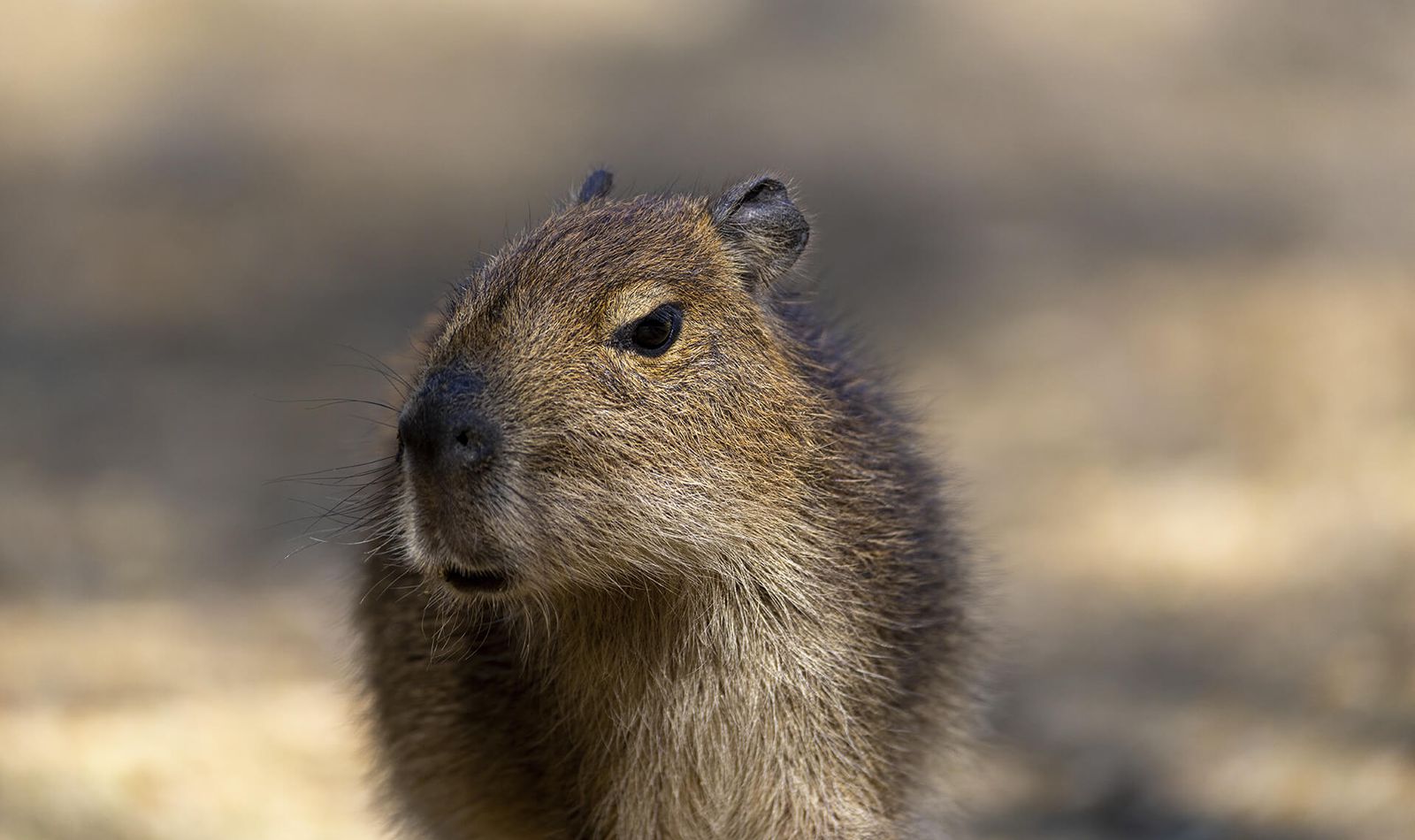
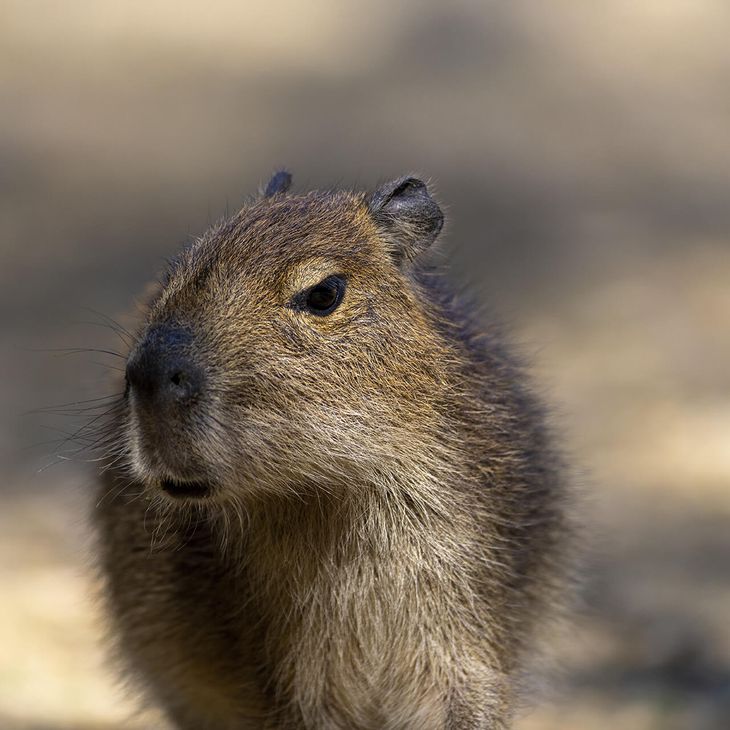
« Always close to the water and never far from its companions, the capybara has mastered the art of peaceful living. »
The capybara, a gentle giant of South America
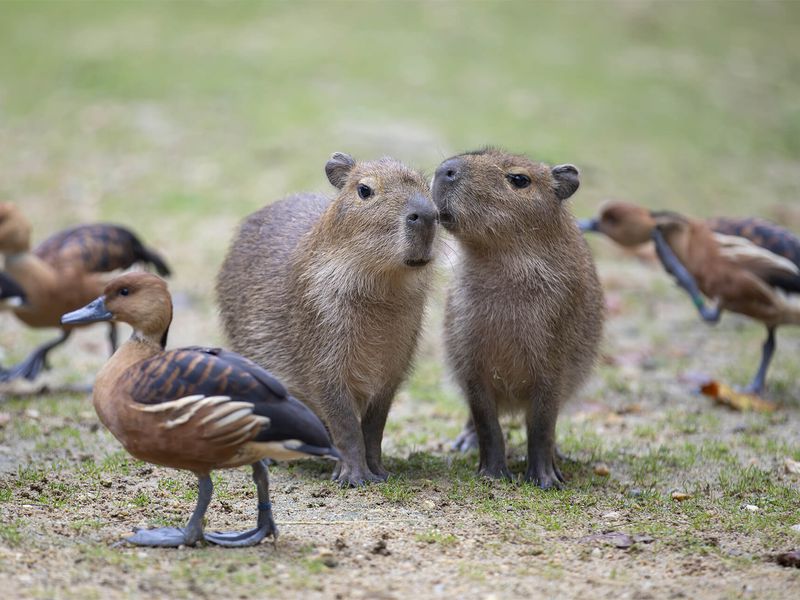
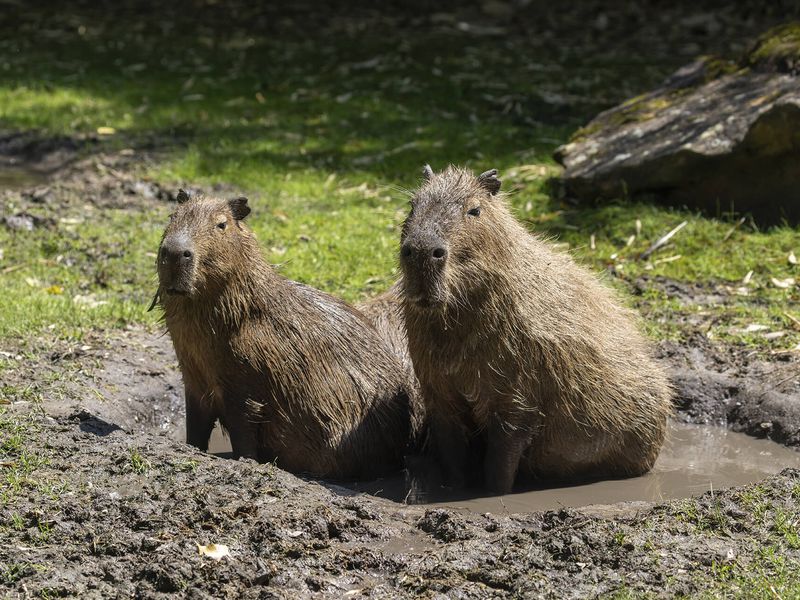
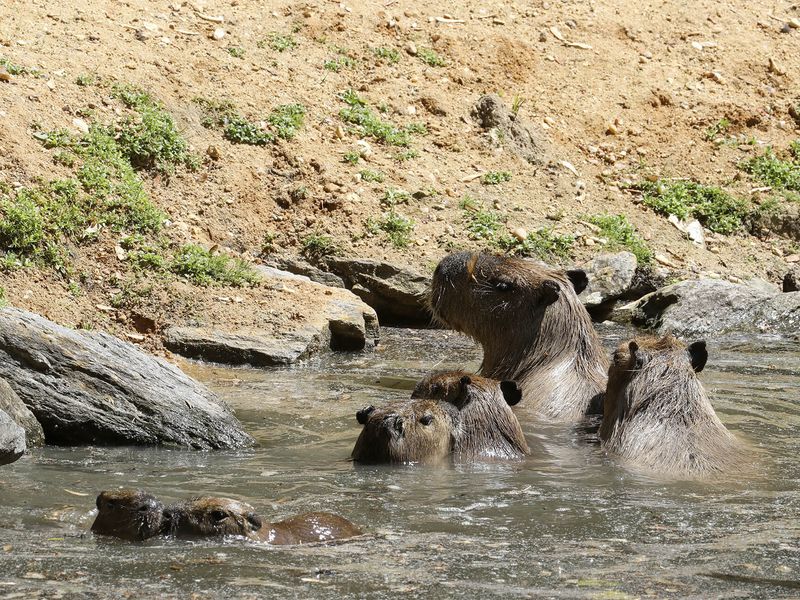
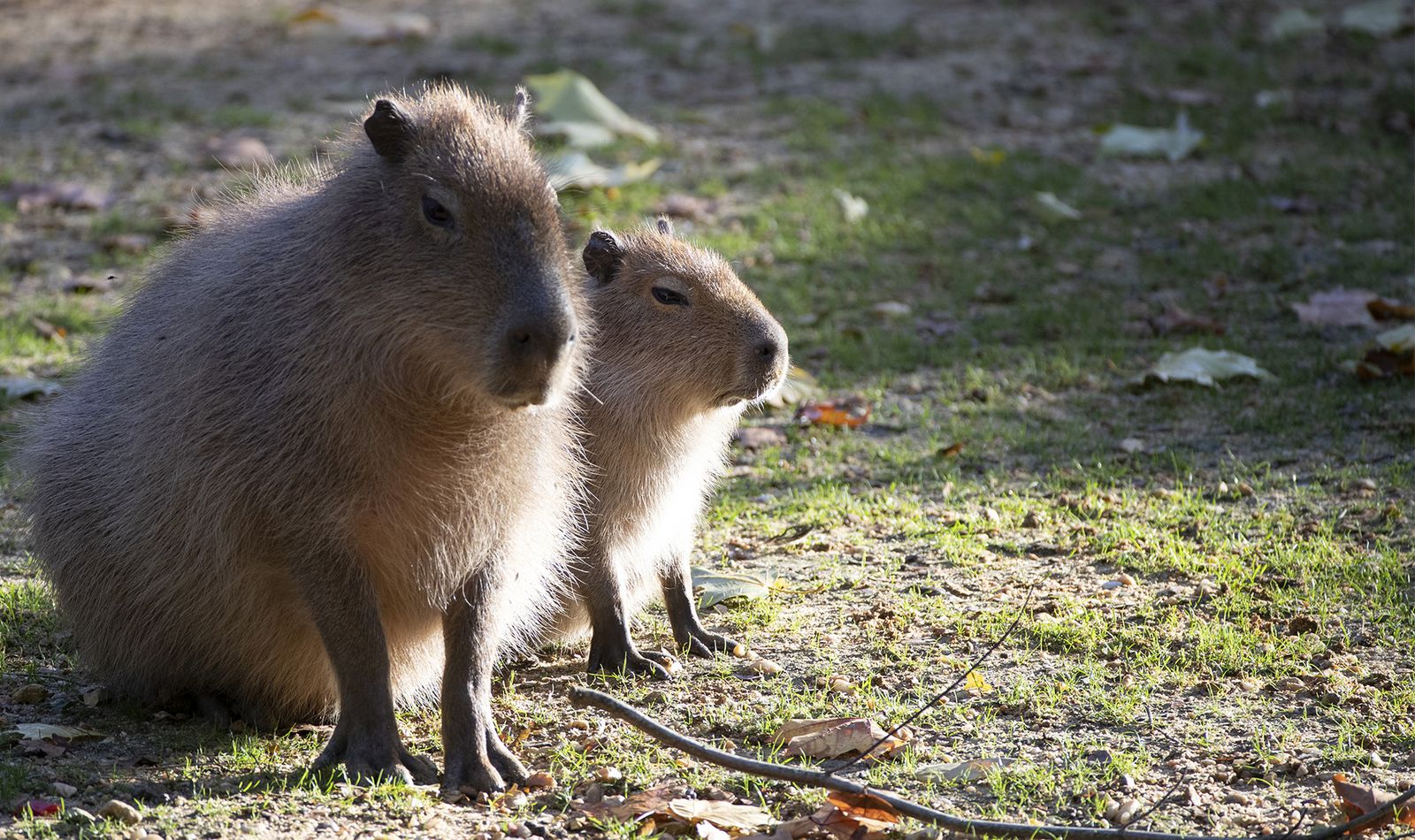
The capybara is the world’s largest rodent. Native to South America and belonging to the same family as the guinea pig, this mammal lives near water in the continent’s wetlands. Herbivorous and perfectly adapted to a semi-aquatic lifestyle, it spends much of its day grazing and cooling off in the water.
The capybara is also a highly social animal that lives in groups and is known for its remarkably calm nature. This peaceful temperament, combined with its gentle appearance, has earned it worldwide popularity. You can also discover this extraordinary species at ZooParc de Beauval.
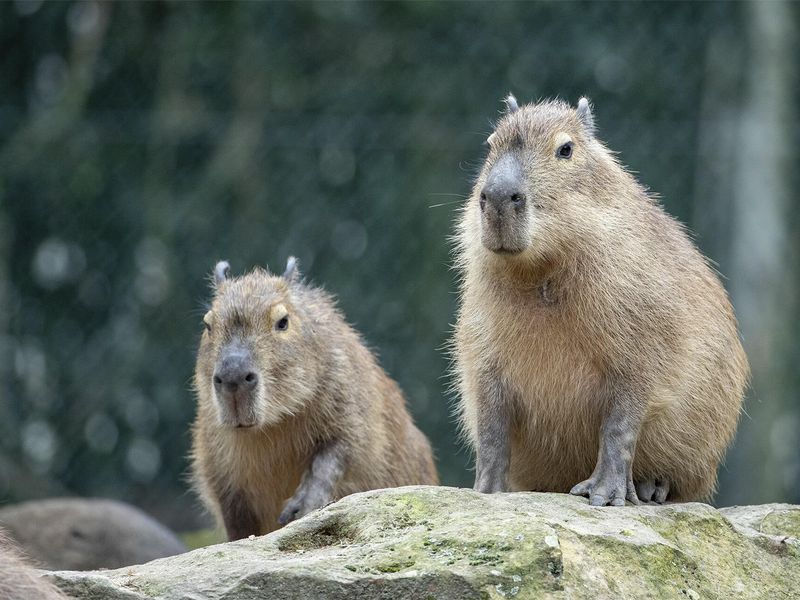
A protected species, yet a habitat under pressure
The good news is that the capybara is not currently considered a threatened species. The IUCN classifies it as Least Concern, thanks to its wide and relatively continuous distribution, as well as its overall stable population.
However, local populations are affected by hunting in some areas, while the loss of wetlands through drainage or conversion into agricultural land is putting increasing pressure on its natural habitat. These wetlands support far more than just capybaras—they are home to a rich diversity of wildlife.
Through the Beauval Nature association, ZooParc de Beauval supports numerous conservation programmes dedicated to protecting both species and habitats in France and around the world, including a programme led by the IPE in Brazil, where capybaras naturally occur.
Where to see and meet capybaras at ZooParc de Beauval
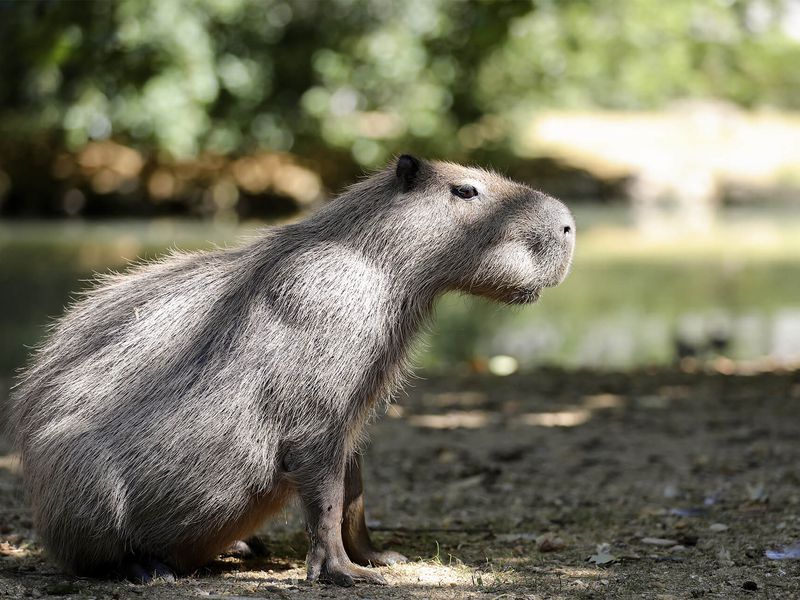
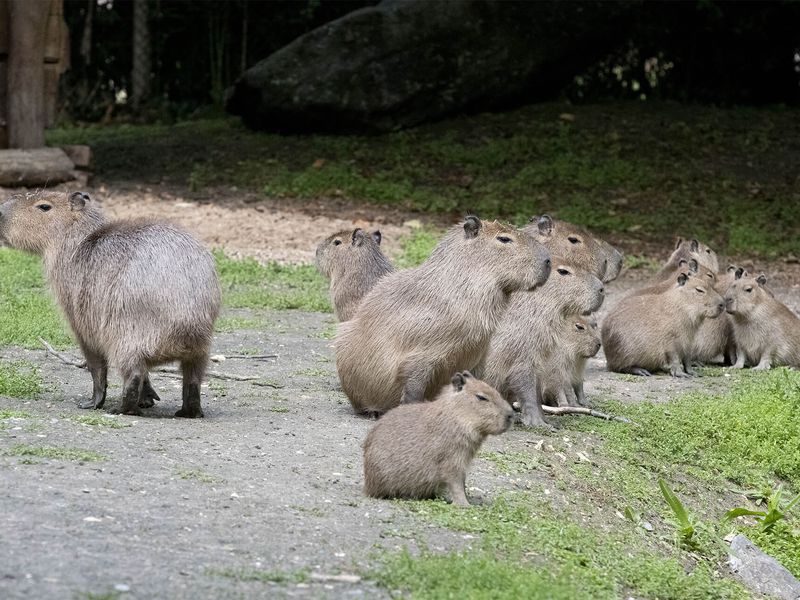
At ZooParc de Beauval, capybaras live in La Pampa Sud-Américaine, a vast area dedicated to the wildlife of South America since 2007. Surrounded by ponds and sandy areas, they share their habitat with lowland tapirs, rheas and maras, reflecting the typical wildlife communities of the South American plains.
To see them when they are most active, we recommend visiting early in the morning or late in the afternoon, when temperatures are cooler. You can easily find their habitat on the ZooParc map.
Would you like to go beyond simply observing the animals? ZooParc de Beauval offers immersive experiences that allow you to get closer to the animals while fully respecting their welfare.
During the Keeper for a Day experience, you will spend a morning alongside our animal care teams, helping prepare food, taking part in feeding sessions and creating enrichment activities for selected species. It is a unique opportunity to discover the daily work carried out to ensure the animals’ well-being while creating unforgettable memories.
Sponsor our animals
Establish a strong bond with your favourite animal whilst supporting conservation programmes through the Beauval Nature association!
Least concern
Learn more about the species
-
HerbivoreDiet
-
about 5 monthsGestation period
-
2 to 8 youngLitter size
-
WetlandsHabitat