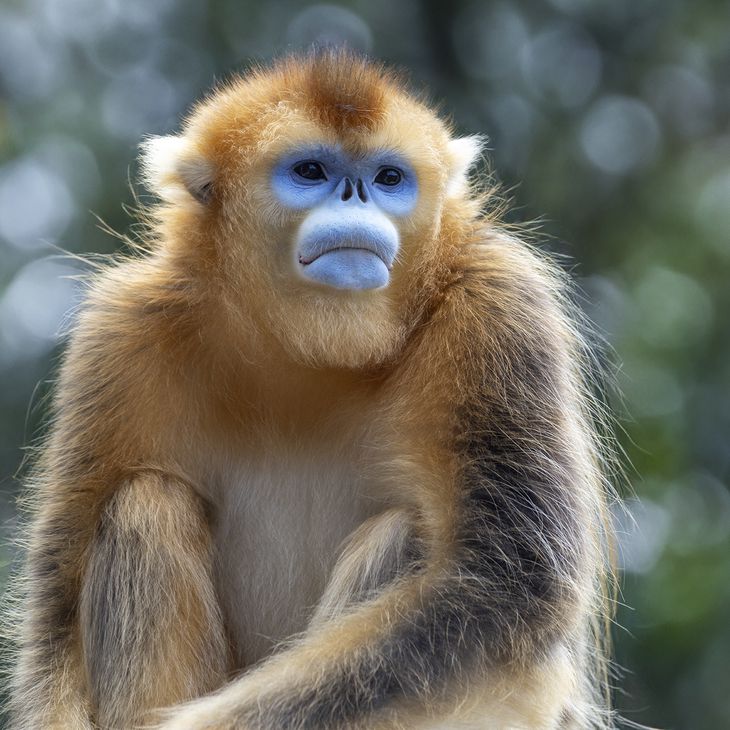
« A unique species of incredible beauty and fragility »
The sensational new arrival of 2025: golden snub-nosed monkeys!
Beauval, the first park outside Asia to house them in 2025
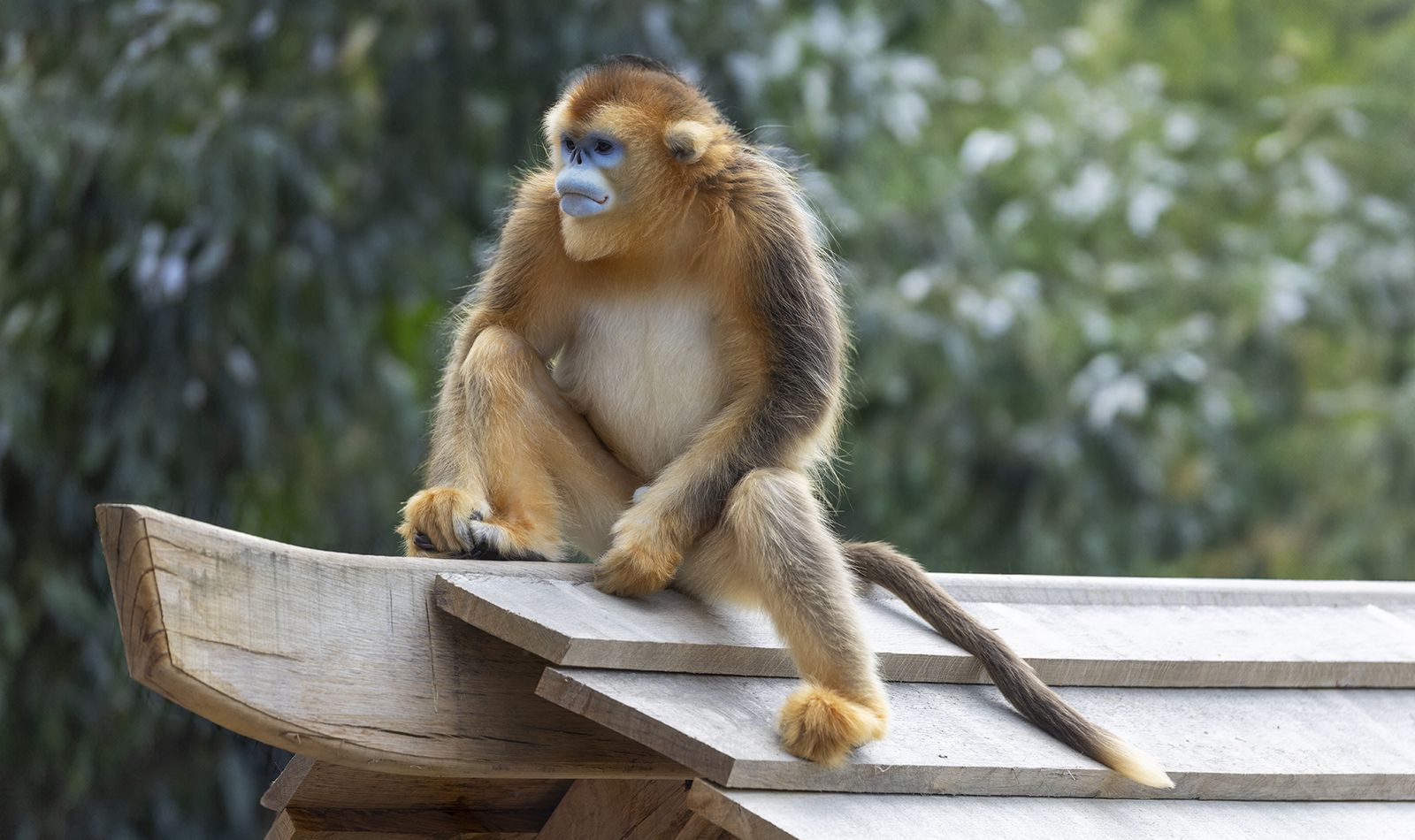
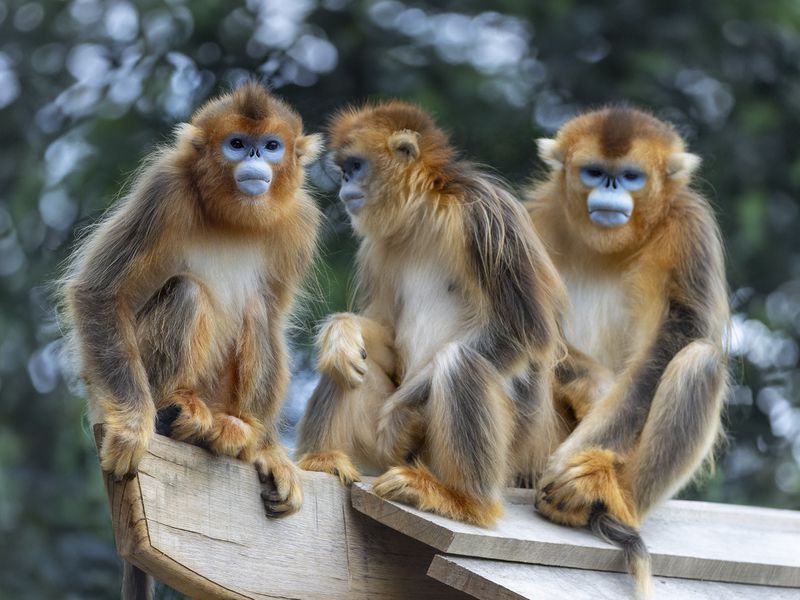
As the park celebrates its 45th anniversary, Beauval ZooParc is writing a new chapter in its history. In 2025, it becomes the first zoological park in the world outside Asia to present the extraordinary Roxellana snub-nosed monkeys, better known as golden snub-nosed monkeys. A Chinese national treasure, these small primates, with their striking golden-orange coats and distinctive blue faces, are truly one of a kind. China has entrusted them to Beauval ZooParc as part of a conservation and research program dedicated to the species.
Did you know?
Behind the scenes: Beauval’s baby golden snub-nosed monkeys
Impossible to resist…
Fall in love with our video featuring the baby golden snub-nosed monkeys!
One of China’s greatest national treasures
China has several animal species recognized as national treasures—rare and iconic animals protected for their cultural, ecological, and scientific importance. Highly revered in China, the golden snub-nosed monkey is considered one of the country’s foremost national treasures alongside the giant panda.
The Roxellana snub-nosed monkey is endemic to the mountainous regions of central-western China along the Tibetan Plateau, particularly in the provinces of Sichuan, Gansu, Hubei, and Shaanxi. It inhabits temperate deciduous and coniferous forests at elevations ranging from 1,400 to 2,800 meters, where snow cover may persist for up to six months each year. During winter, the monkeys migrate to lower elevations.
ZooParc Beauval is proud to welcome golden snub-nosed monkeys in 2025, a species classified as Endangered by the International Union for Conservation of Nature (IUCN). Threatened by habitat loss resulting from agriculture, logging, and tourism, these primates have also been targeted for their fur.
Chinese laws and protected nature reserves help safeguard their habitat, which they share with giant pandas, thereby strengthening conservation efforts. Tourism activities are also carefully regulated to minimize disturbance.
The golden snub-nosed monkeys at Beauval
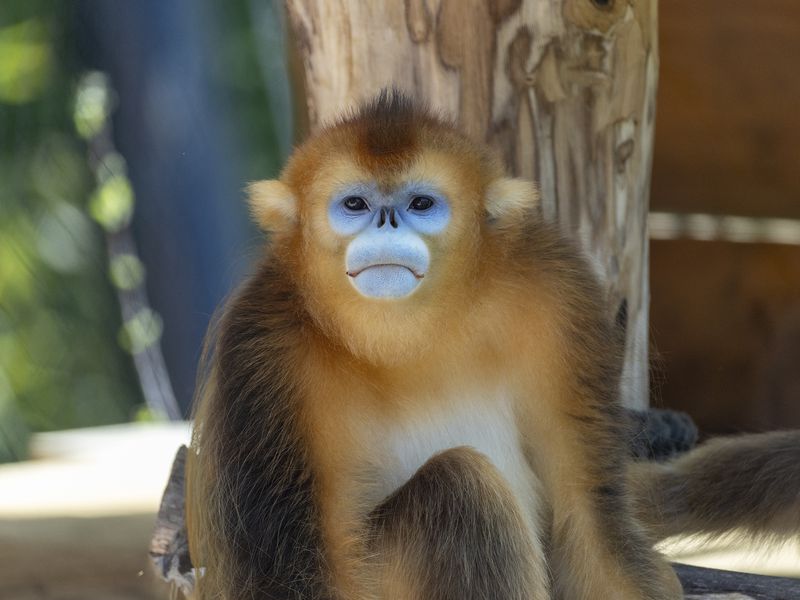
Entrusted by China and the Shanghai Wild Animal Park, three golden snub-nosed monkeys have been living at Beauval since 2025 under optimal conditions that ensure their well-being. They are housed in an area specially designed for them near the giant pandas in the Heights of China section of the park.
The group consists of two females and one male.
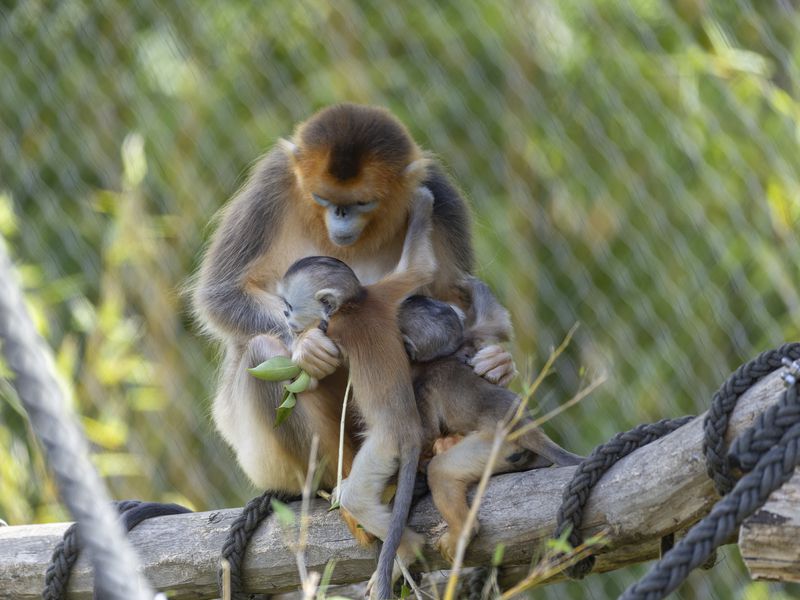
And in 2026, an exciting surprise arrived: two baby golden snub-nosed monkeys were born just a few weeks apart!
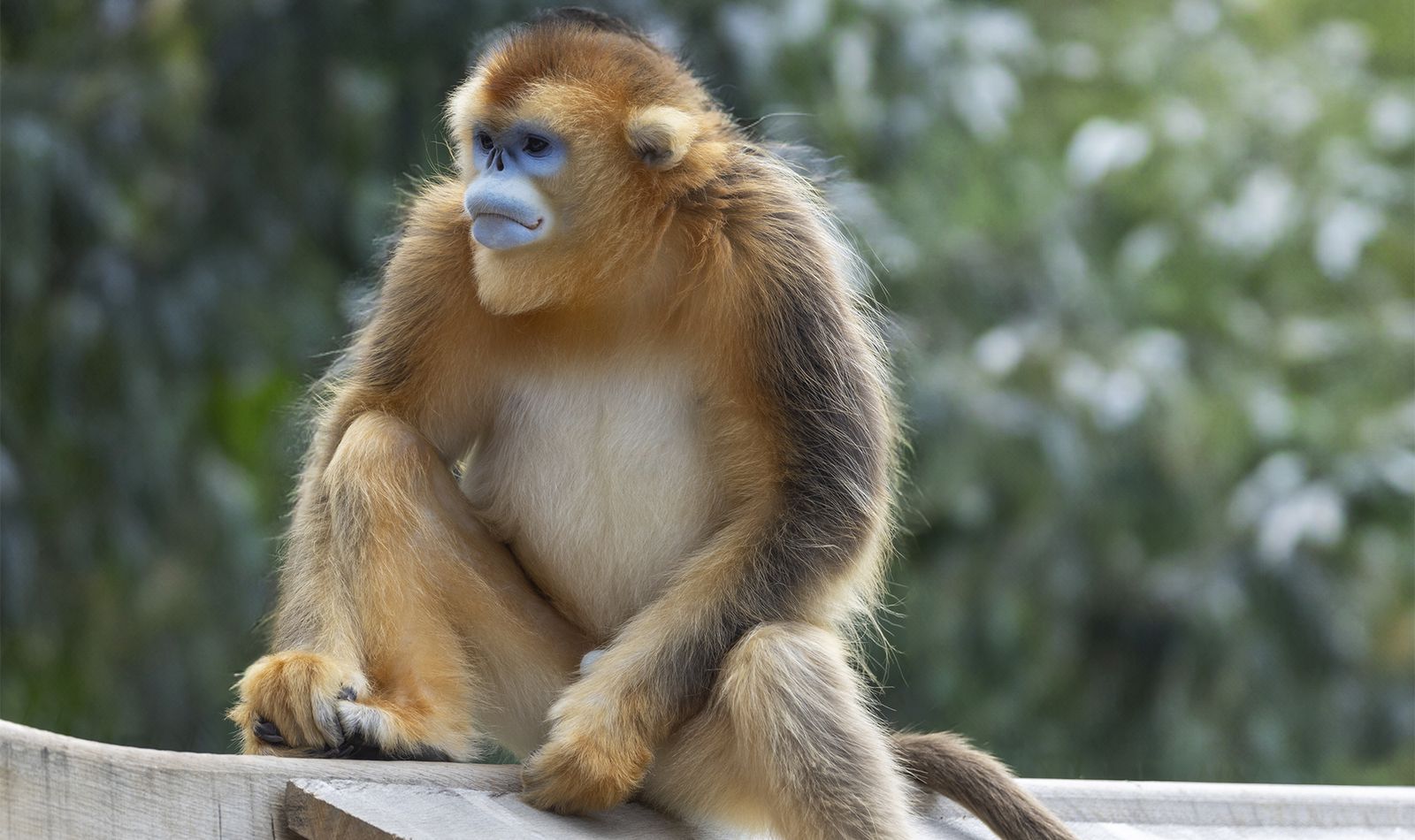

Sponsor our golden snub-nosed monkeys
Build a special bond with your favorite animal while helping support conservation programs through the Beauval Nature association!
Endangered
Learn more about the species
-
Herbivore with folivore tendenciesDiet
-
6 to 7 monthsGestation period
-
1 babyLitter size
-
Mountains, ForestsHabitat
Groups can reach up to 600 individuals in summer
Vocalizations without body or facial movements
Reproduction: on average, one infant every two years

Take full advantage of the experience thanks to our mobile application!
Find out more