Snowy owl -  ZooParc's extraordinary animals

Snowy owl

Bubo scandiacus
VU

IUCN status
Vulnerable
Find out more

Snowy owl -  ZooParc's extraordinary animals

« Males and females can be distinguished by several physical characteristics »

“Chouettes” or “hiboux”?

In French, these are two different birds.

“Chouettes” and “hiboux” are two distinct types of owls. Contrary to a common misconception, a “chouette” is not the female of a “hibou”.

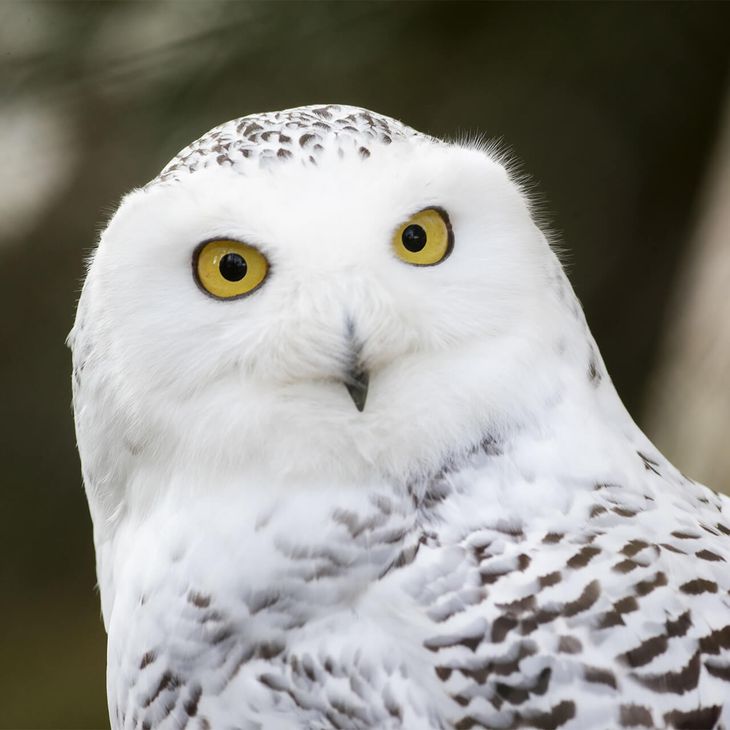
As for the snowy owl, it is sometimes incorrectly referred to in French as “chouette harfang”. It is actually classified as a “hibou” because it has the characteristic ear tufts found on this group of owls. In the snowy owl, however, these tufts are extremely small and lie flat against the head, making them almost invisible beneath the surrounding feathers.
Snowy owl -  ZooParc's extraordinary animals

Beauval Nature

For more than 15 years, Beauval Nature has been working alongside conservation organisations around the world, supporting their essential efforts to protect wildlife. Beauval contributes to numerous conservation and research programmes dedicated to studying and safeguarding threatened species. Every day, these actions help preserve global biodiversity.
Snowy owl -  ZooParc's extraordinary animals
Beauval Nature

Sponsor our snowy owls

Establish a strong bond with your favourite animal whilst supporting conservation programmes through the Beauval Nature association!

Vulnerable
Learn more about the species

Range
Northern hemisphere
  • Diet
    Carnivore
  • Incubation
    31 to 33 days
  • Clutch size
    3 to 11 eggs
  • Habitat
    Arctic tundra

Male or female?

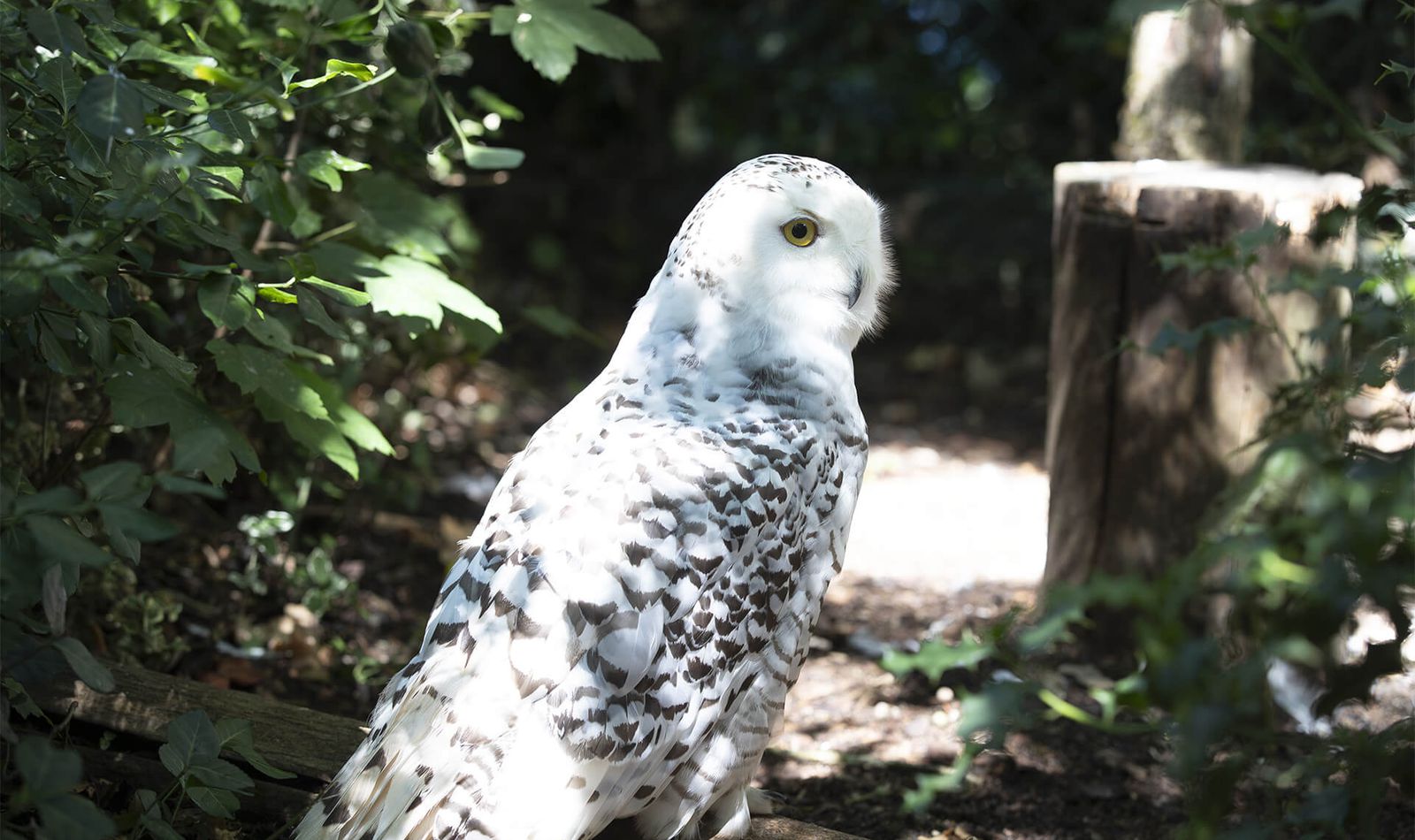
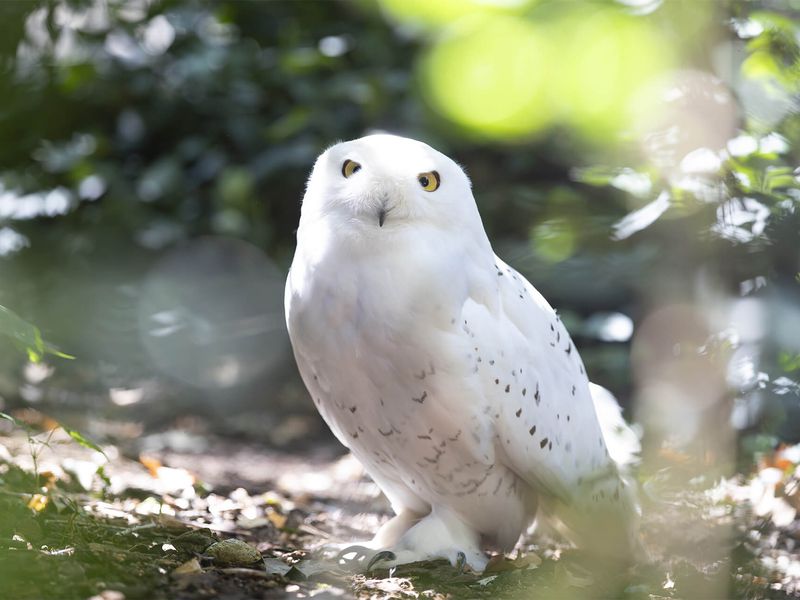
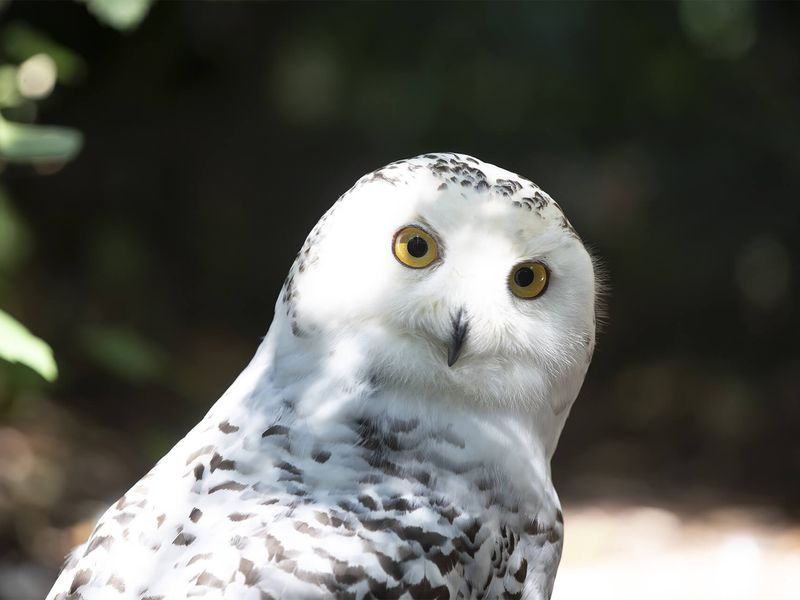
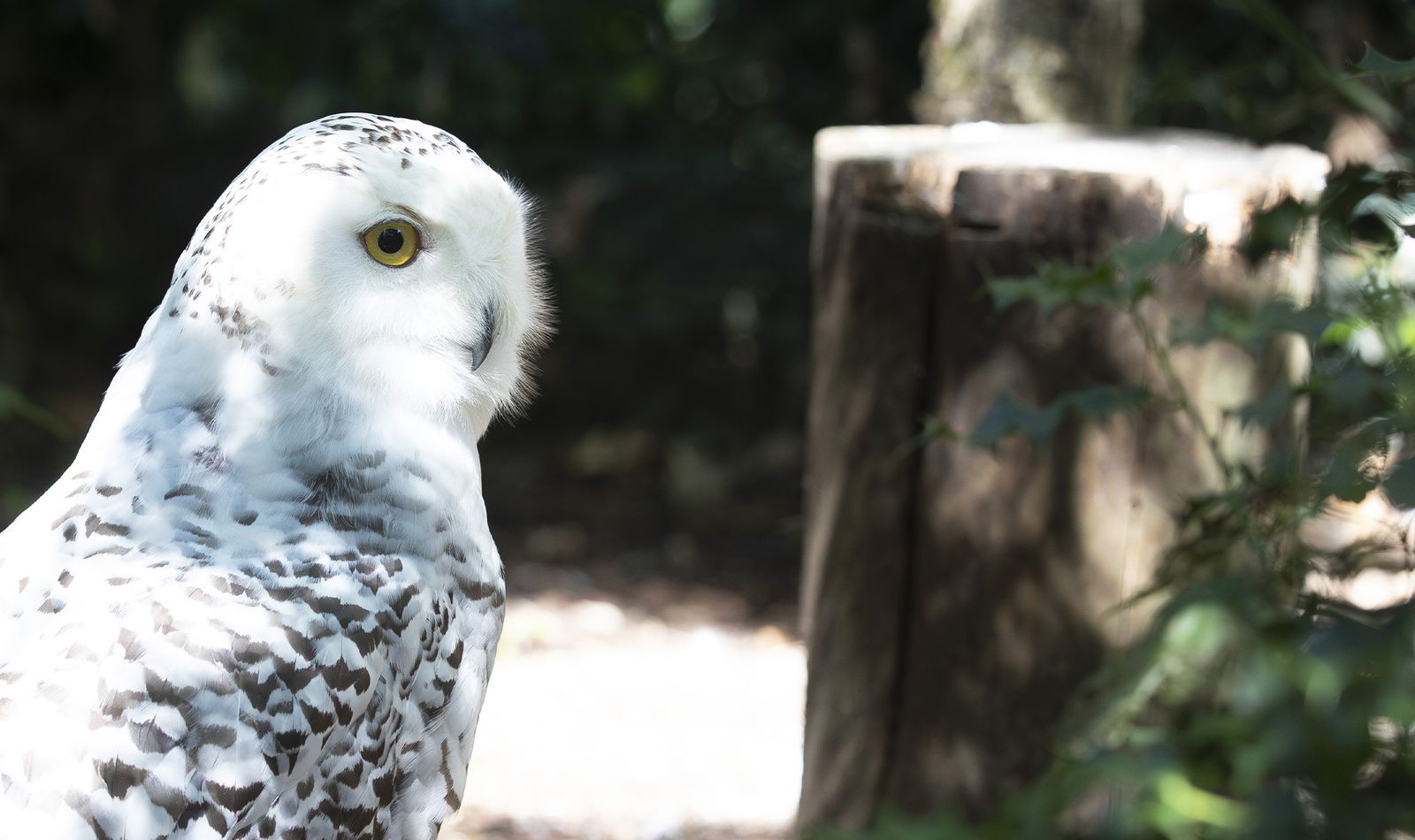
Snowy owls display sexual dimorphism, meaning males and females can be distinguished by several physical characteristics. Females are generally larger and heavier than males. The most obvious difference, however, is their plumage. Adult males are almost entirely white, whereas females have bold black bars and spots across their wings, tail and underparts. This darker plumage provides excellent camouflage while females incubate their eggs on the tundra.

Nocturnal birds of prey… active during the day!

The snowy owl belongs to the order Strigiformes, which includes all owl species, commonly referred to as nocturnal birds of prey. However, the snowy owl is an exception. Unlike most owls, it is primarily active during daylight hours, from dawn until dusk. It may also hunt at night on occasion, as its night vision is exceptionally well developed. On the Arctic tundra, it sits at the very top of the food chain alongside the Arctic fox.

Well equipped to face predators

Adult snowy owls have very few natural predators. Eggs and chicks, however, may occasionally be targeted by Arctic foxes or skuas, seabirds that inhabit Arctic coastal regions. The parents are extremely protective of their young and remain constantly alert. Females may even pretend to be injured in order to lure predators away from the nest and protect their chicks.

Ready for the adventure?

Book your tickets now and take advantage of our exclusive internet offers!

I already have a ticket! Sign in