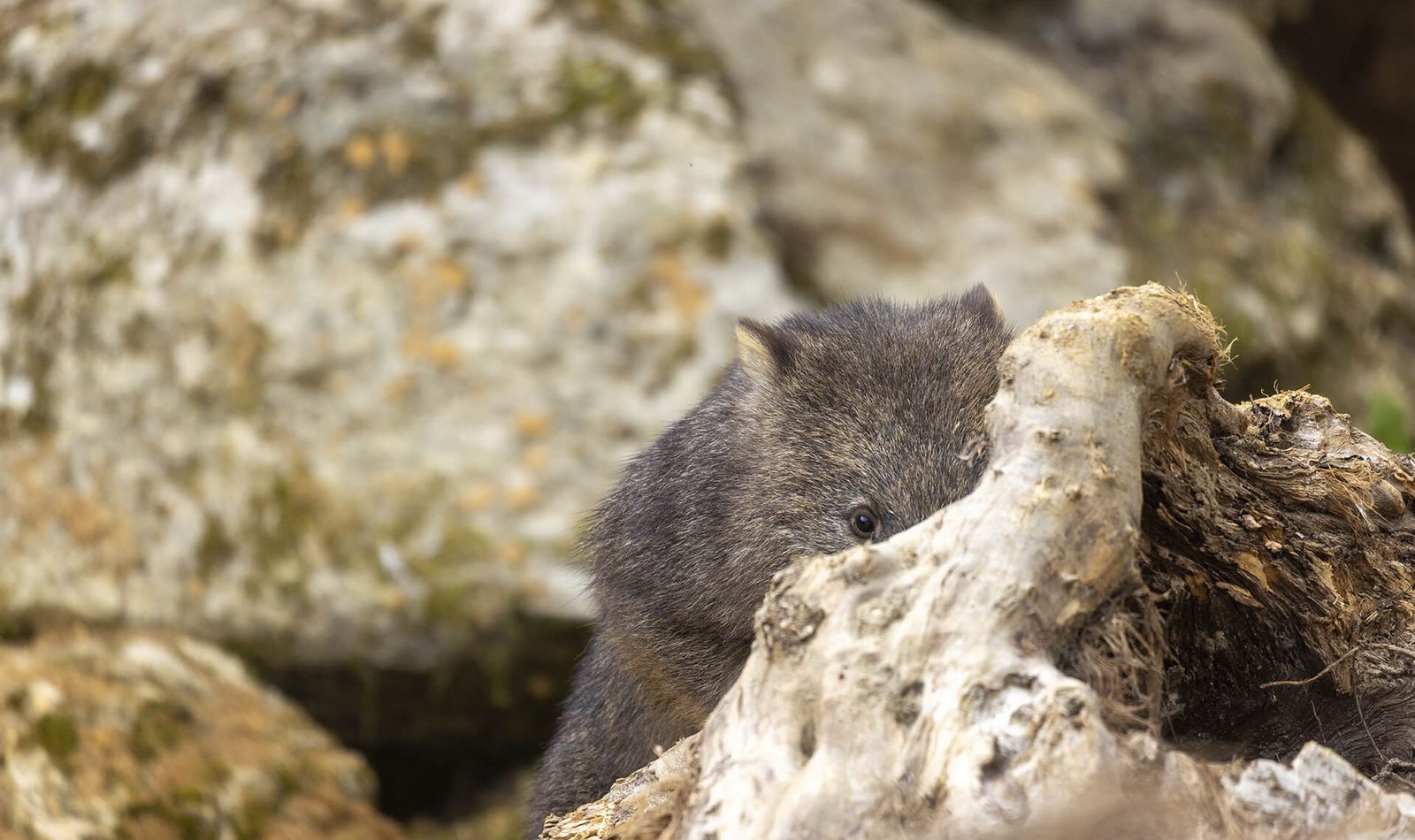
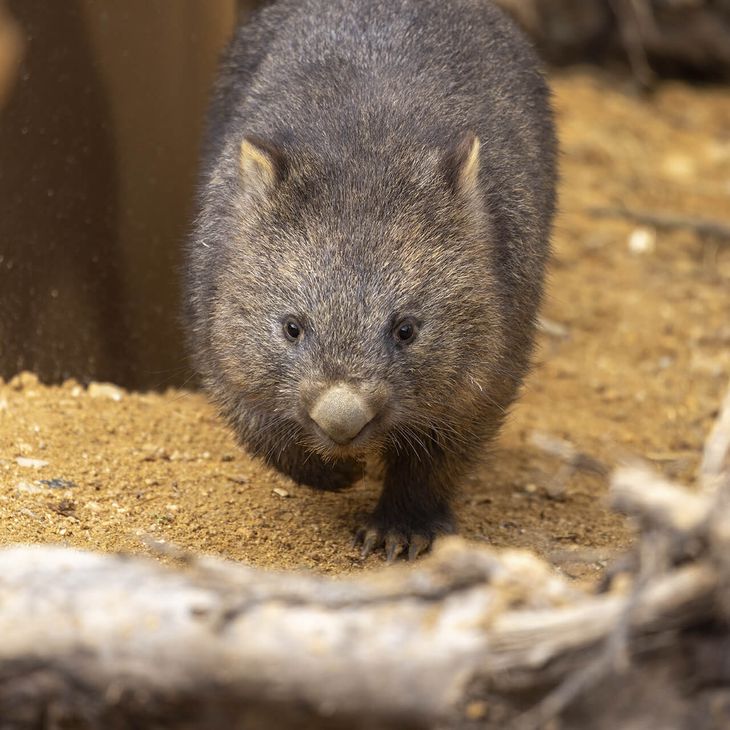
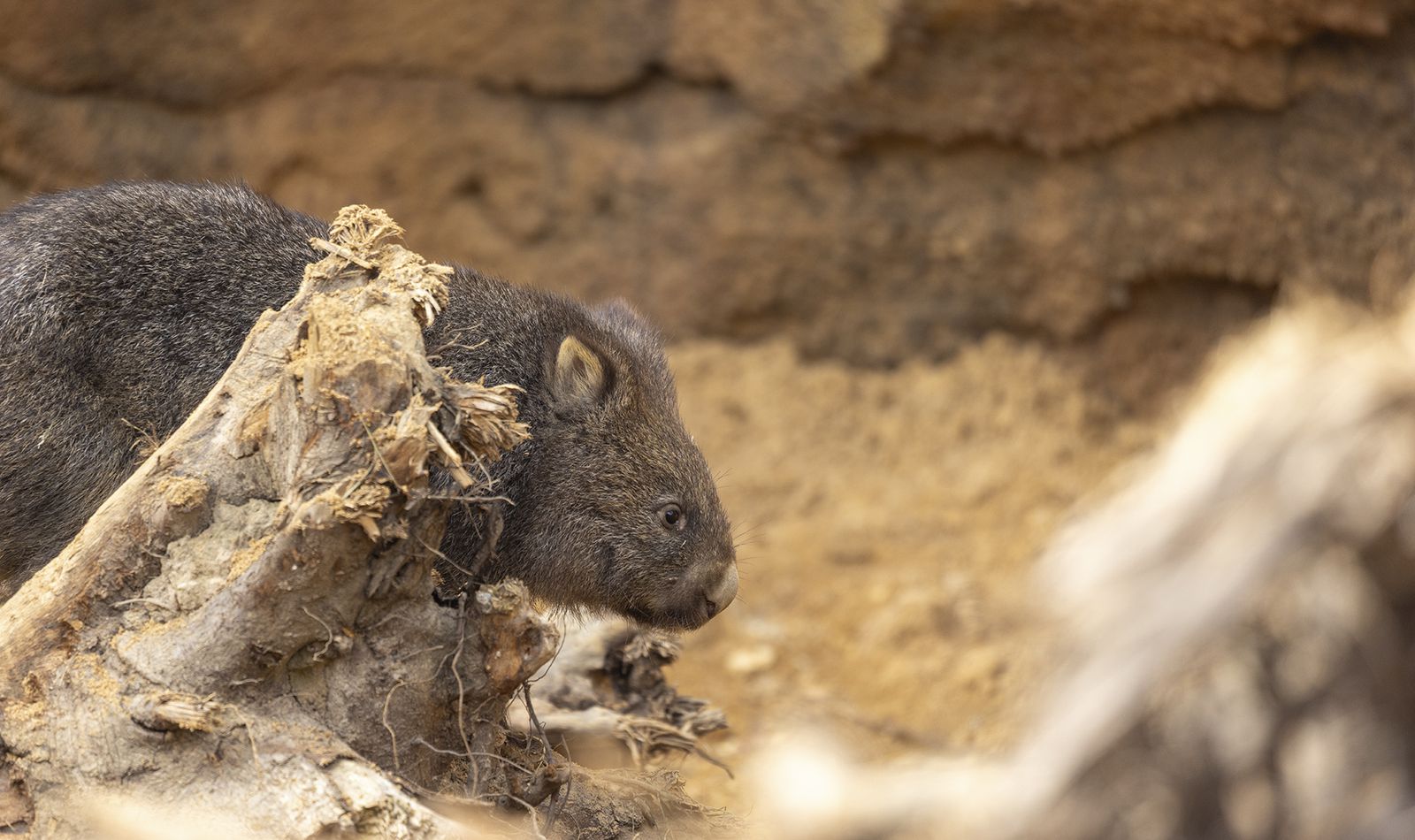
« The common wombat is one of Australia’s largest land mammals »
Behind its teddy bear appearance…
…lie some remarkable abilities!
The wombat is actually a close relative of the koala and the kangaroo. Like them, it is a marsupial, meaning females carry and raise their single joey in a pouch.
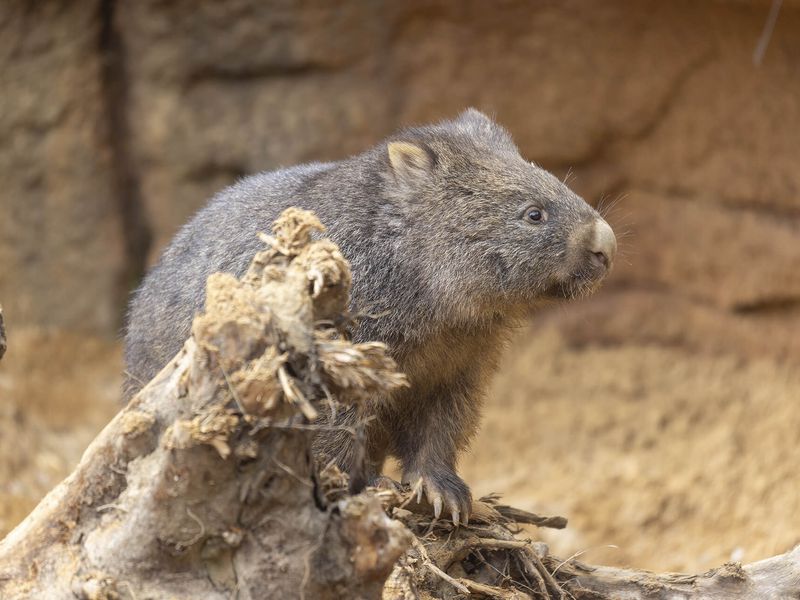
Despite its stocky, bear-like appearance, the wombat is far from defenceless. When threatened, it has several ingenious ways to escape predators. Its first instinct is to retreat into one of its burrows and block the entrance with its powerful rump. This part of its body is protected by a thick shield of cartilage, making it extremely difficult for predators to bite or scratch.
If a predator dares to follow it underground, the wombat has another effective defence. Using its strong hind legs and muscular hindquarters, it forcefully shoves the intruder against the roof of the burrow. This powerful technique is highly effective and can sometimes prove fatal to the attacker.
Did you know?
Les Terres Rouges are waiting for you!
Construction is complete at Beauval
Step into the heart of the Australian bush and discover kangaroos, emus, wallabies and wombats, the first ever to be housed in France.
A vital role in the ecosystem
Although wombat populations are currently considered stable, their range has unfortunately declined over the past 200 years. Yet this remarkable marsupial plays a crucial role in its ecosystem.
By grazing, wombats help maintain vegetation at different heights, creating valuable microhabitats for a wide variety of plants and animals. Their abandoned burrows also provide shelter for many mammals, reptiles and even penguins. These underground refuges can also offer a safe haven during bushfires.
For these reasons, the wombat is considered a keystone species, making its conservation essential for protecting the biodiversity of its natural habitat.
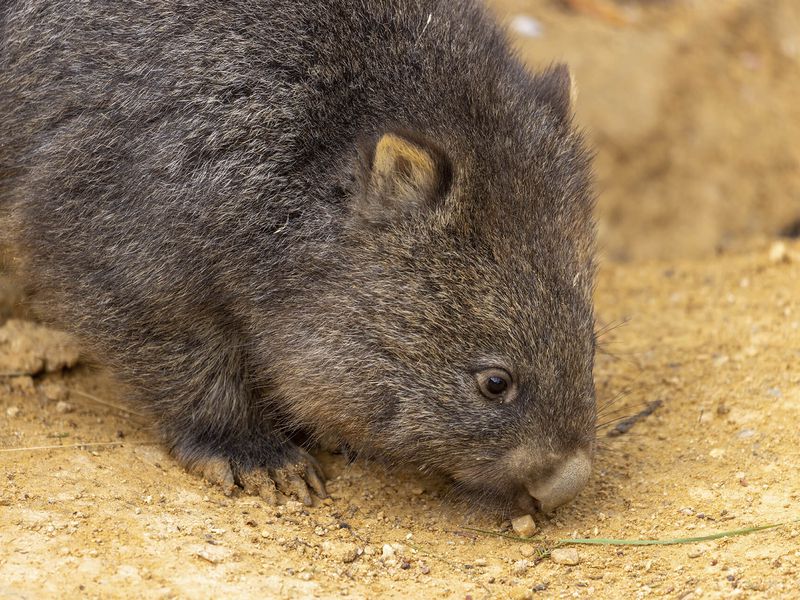
Sponsor our wombats
Establish a strong bond with your favourite animal whilst supporting conservation programmes through the Beauval Nature association!
Least concern
Learn more about the species
-
HerbivoreDiet
-
1 month, followed by 6 to 10 months in the pouchGestation period
-
1 joeyLitter size
-
Pastures, ForestsHabitat