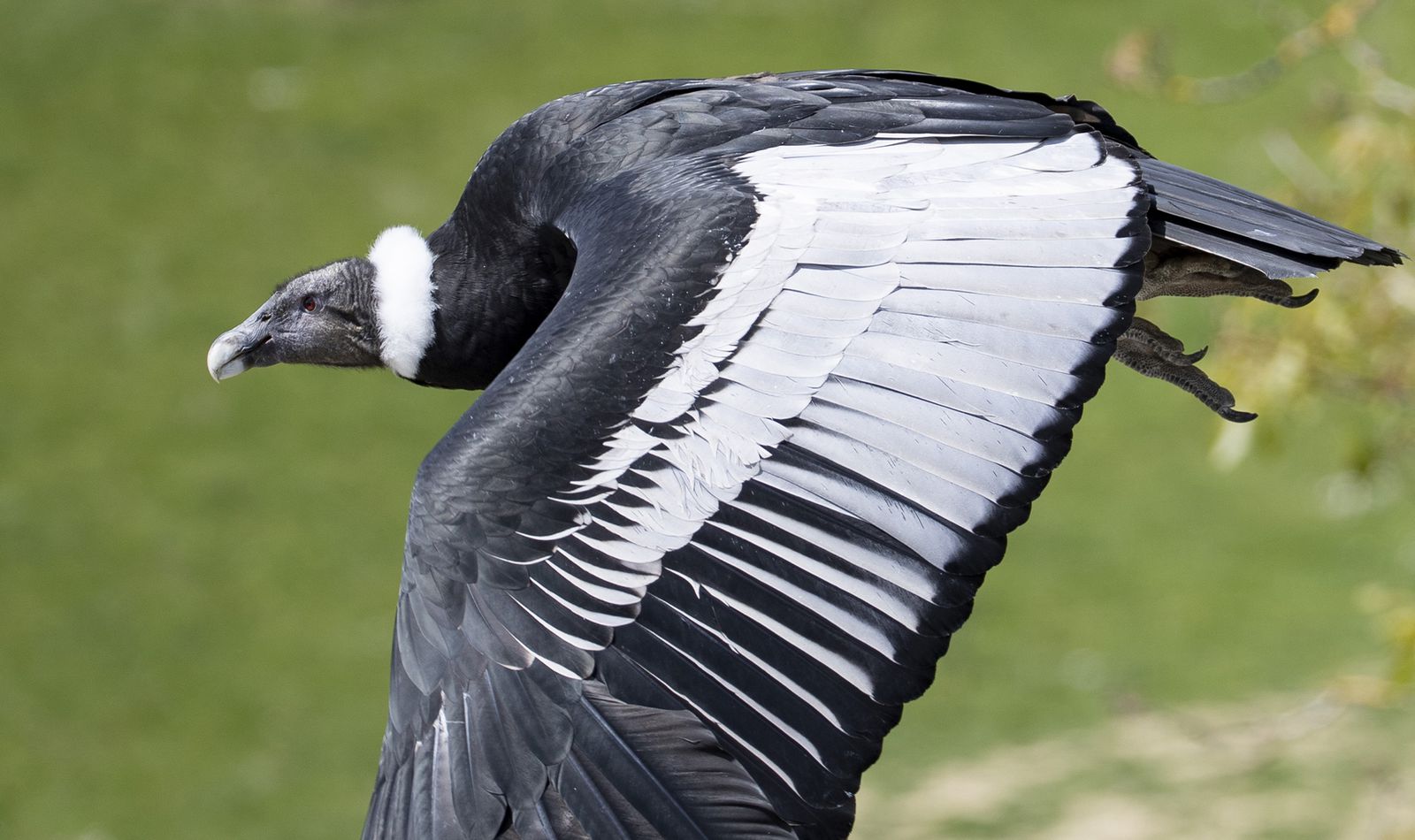
« Carried by the winds of the Andes, the condor can soar for hours with barely a flap of its wings »
The Andean condor
A giant of the mountain peaks
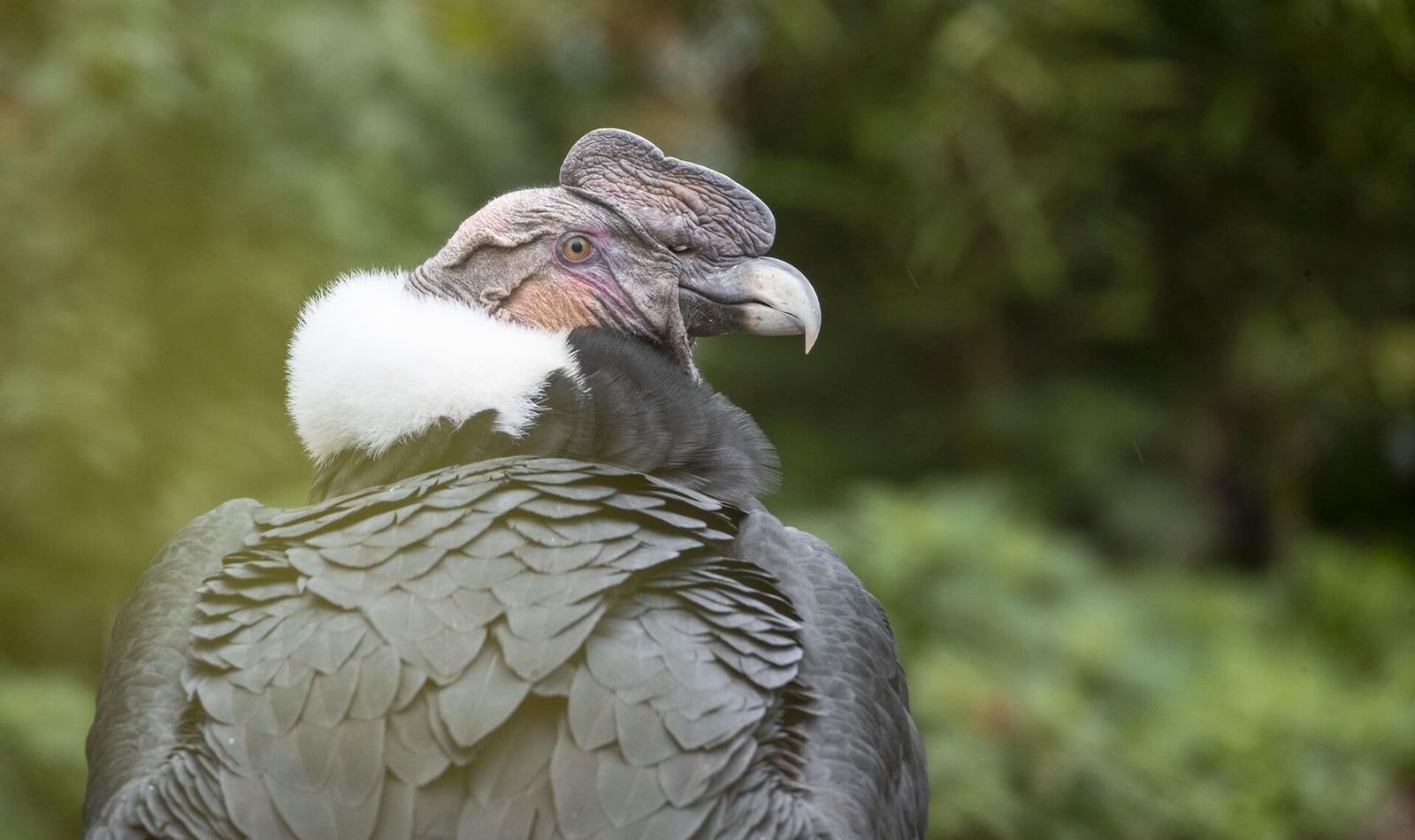
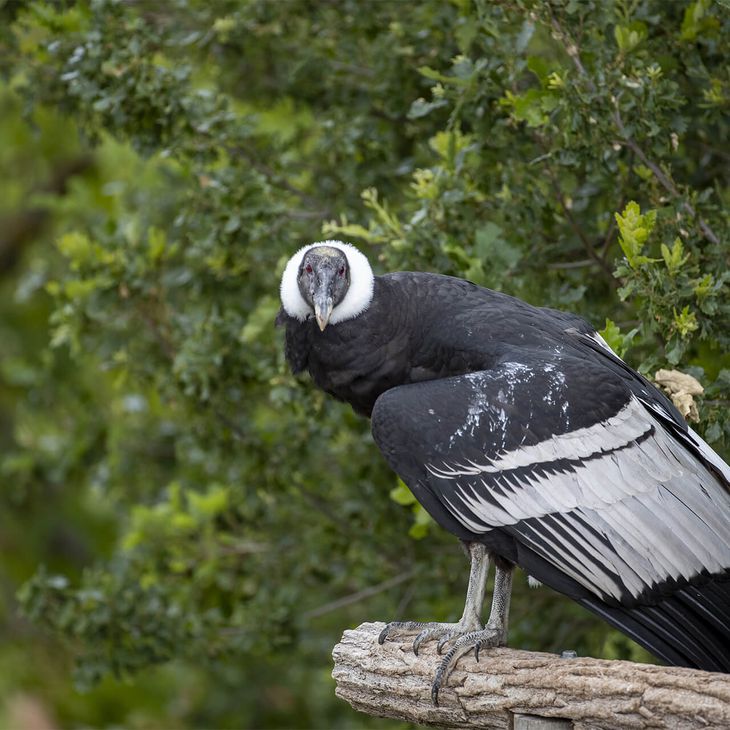
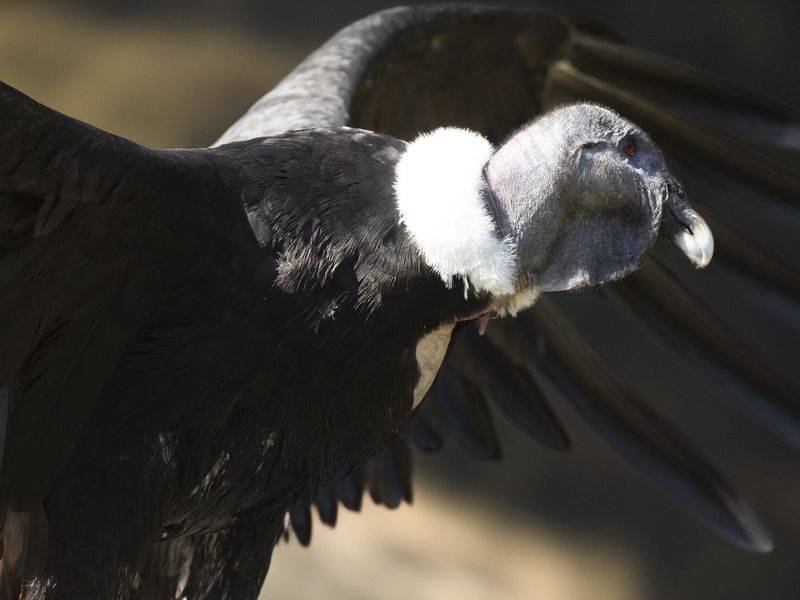
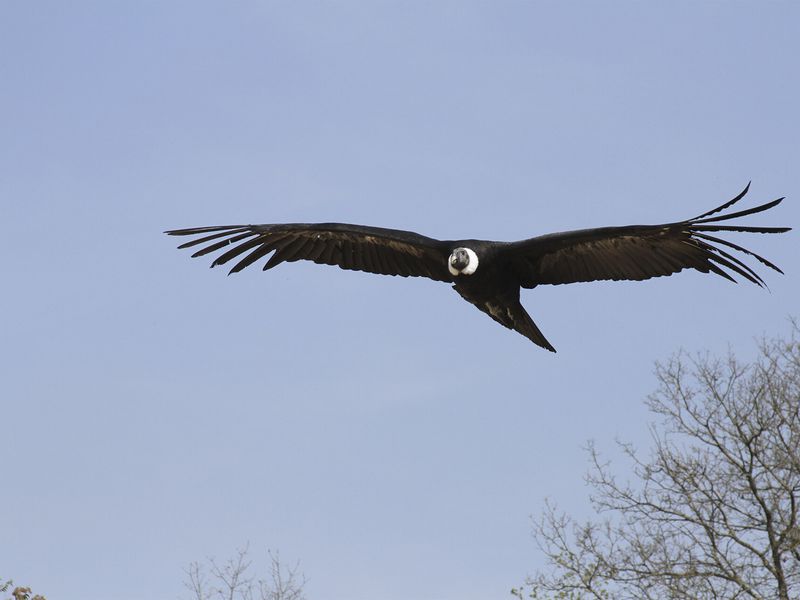
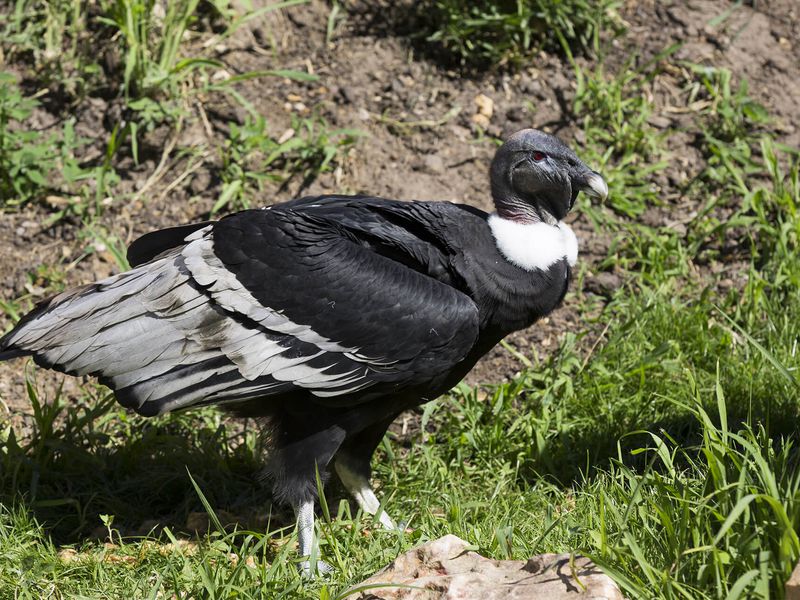
The Andean condor is one of the largest flying birds in the world. This South American vulture rules the skies above the Andes and the Pacific coast, soaring in search of carcasses. Its black plumage is distinguished by a broad ruff of white feathers around its neck and pale markings on its wings. As a scavenger, it plays an essential role in maintaining the balance of its ecosystem. You can discover it among the many species featured in Beauval’s animal directory.
Did you know?
Pachamama has taken flight in the Argentinian skies!
An incredibly emotional moment
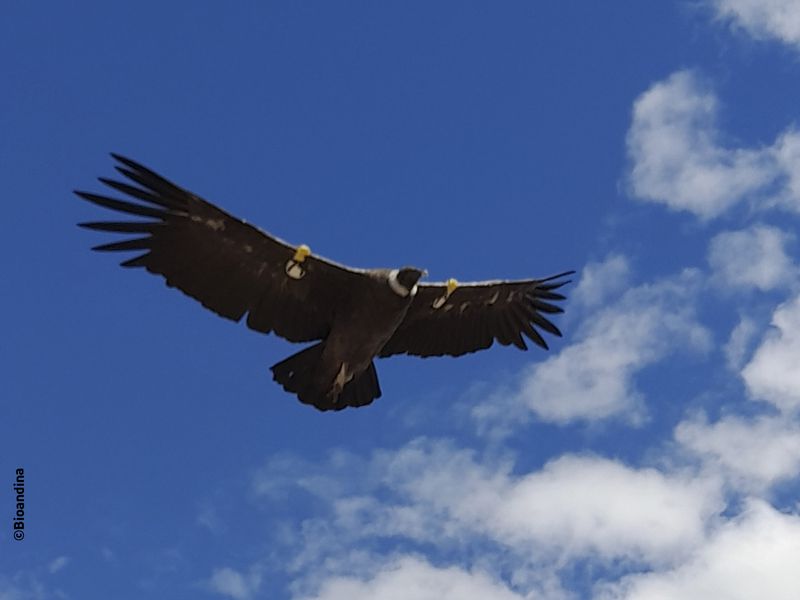
Pachamama, a young female Andean condor born at Beauval in August 2020, has been released into the wild in Argentina along with six other birds. This is the largest release of condors ever carried out in the country!
After spending a few months adapting to her new environment in Patagonia, Pachamama, who wears number 74, has taken flight.
Born at Beauval, released in Patagonia
Classified as “Vulnerable” by the IUCN, the Andean condor is experiencing population declines, particularly as a result of poisoned carcasses. In some areas, these are deliberately poisoned by livestock farmers attempting to control predators.
Through Beauval Nature, ZooParc de Beauval supports the Andean condor conservation programme, run in Argentina by the Bioandina Foundation. The programme combines in situ species protection, breeding and the reintroduction of individuals into the wild.
Beauval has made an important contribution to these efforts. Born at the ZooParc on 1 August 2020, Pachamama was the very first Andean condor to hatch at Beauval, a particularly special event given how challenging breeding can be for the species.
Raised by her parents, she travelled to Argentina before being released into the wild in Patagonia on 17 September 2021 alongside six other condors, as part of the largest condor reintroduction ever organised in the country. The released birds were fitted with satellite GPS transmitters so that their movements and behaviour in the wild could be monitored and studied.
Where can you see the Andean condor at ZooParc de Beauval?
At ZooParc de Beauval, the Andean condor is one of the impressive large birds you can discover during your visit. Find its location on the ZooParc map and take the time to admire its remarkable wingspan, especially when it spreads its wings.
The Andean condors are currently located in the northern part of the ZooParc, close to The Great South American Aviary.

Sponsor our animals
Establish a strong bond with your favourite animal whilst supporting conservation programmes through the Beauval Nature association!
Vulnerable
Learn more about the species
-
ScavengerDiet
-
Between 50 and 60 daysIncubation
-
1 egg (approximately every 2 years)Clutch size
-
MountainsHabitat