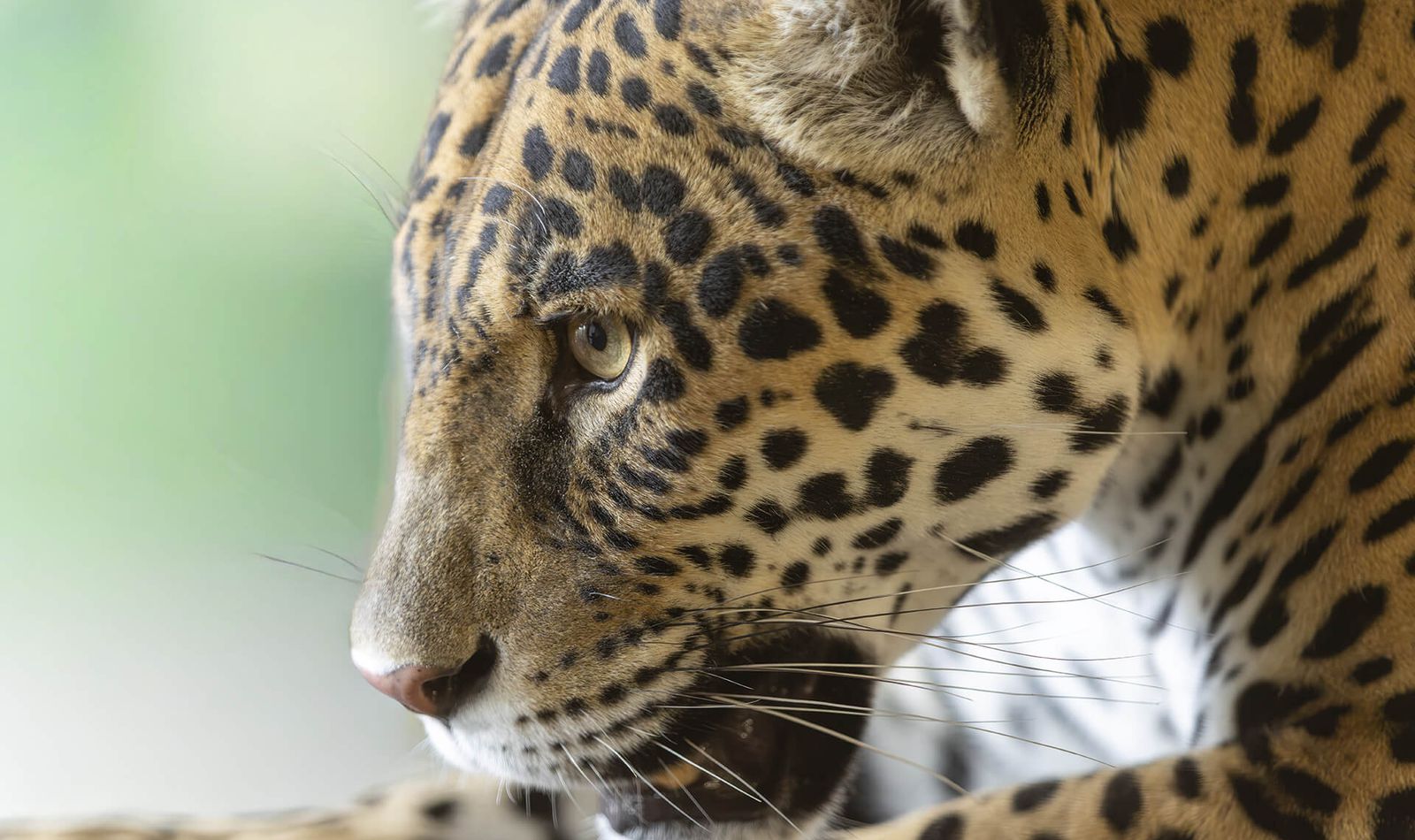
« Whether golden and spotted or deep black, the jaguar remains the same ruler of the forests of the Americas »
The jaguar, the largest cat in the Americas
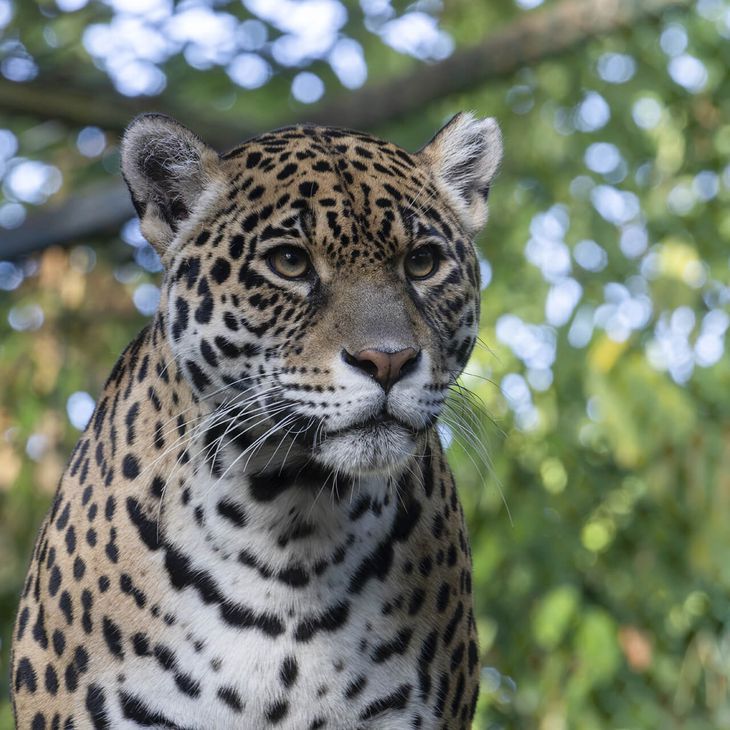
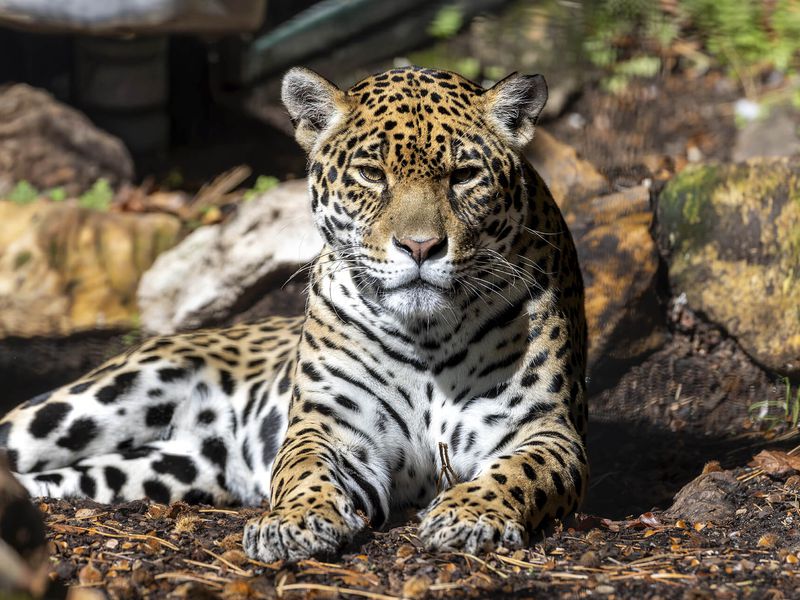
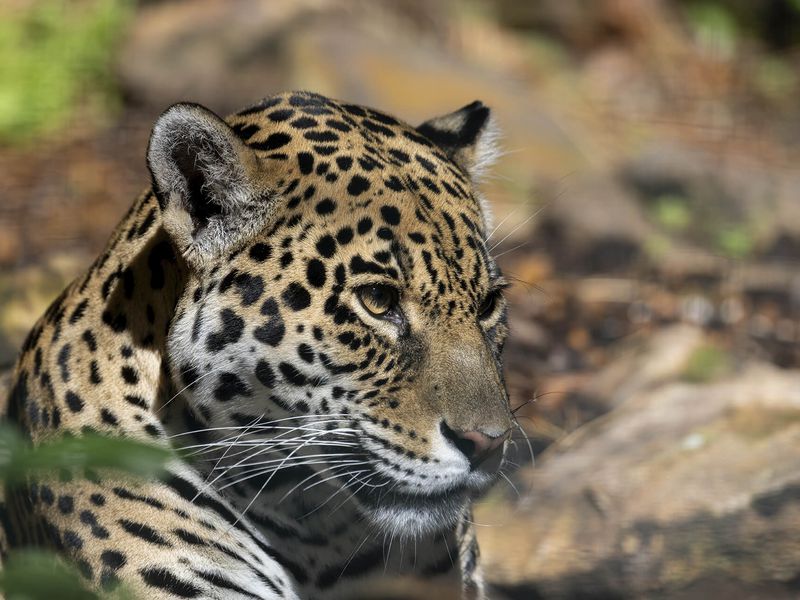
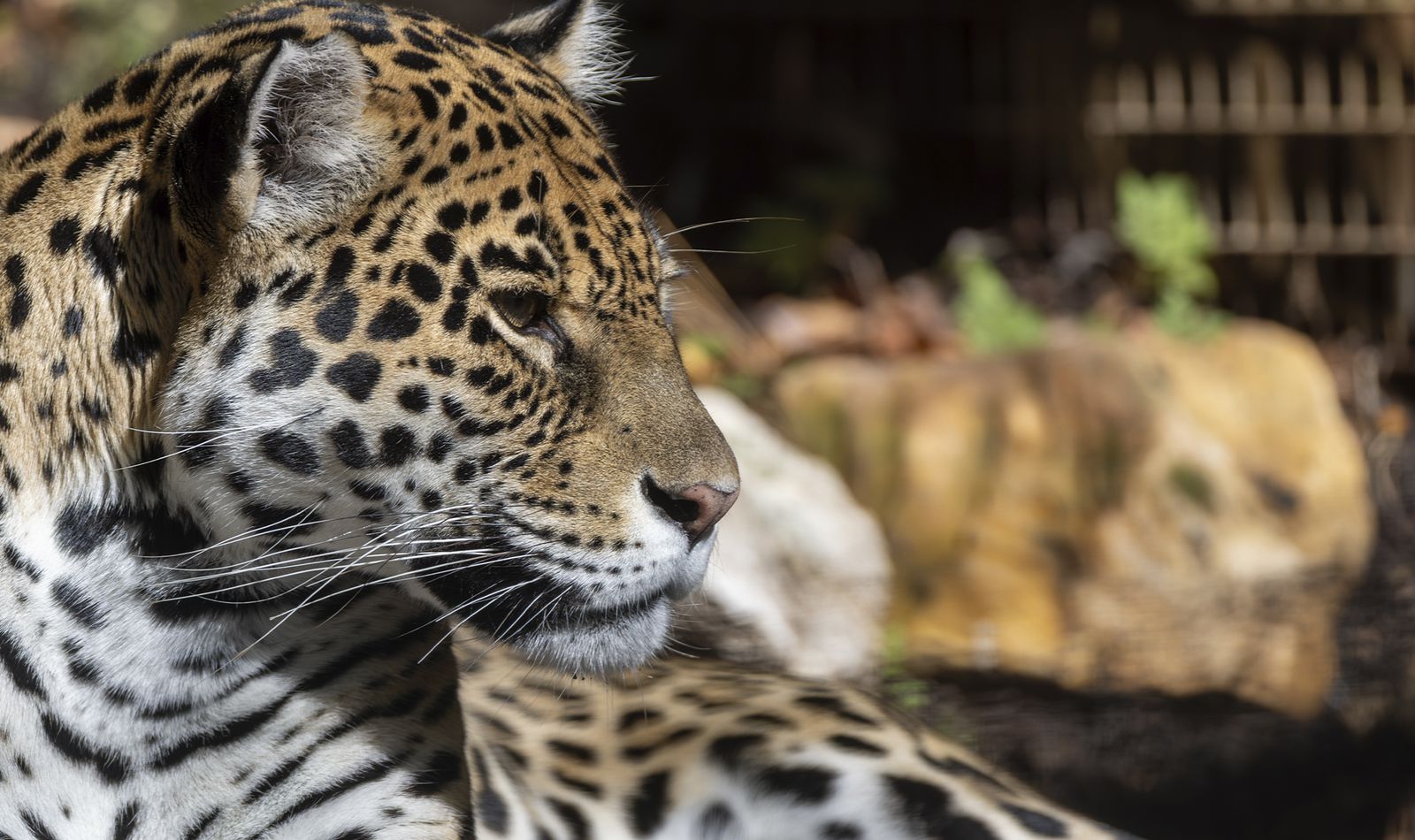
The jaguar is the largest cat in the Americas and the third largest in the world, after the tiger and lion. This Central and South American carnivore is an apex predator, equally at home in dense tropical forests and along riverbanks. One characteristic often comes as a surprise: jaguars can have two very different coat colours. The most common is a tawny or golden coat, sometimes described as “orange”, covered in black rosettes. The rarer form is almost entirely black. Despite their very different appearance, both are exactly the same species.
You can discover the jaguar among the many species in Beauval’s animal directory.
Did you know?
Taïma’s first time outdoors
The female jaguar discovers her territory!
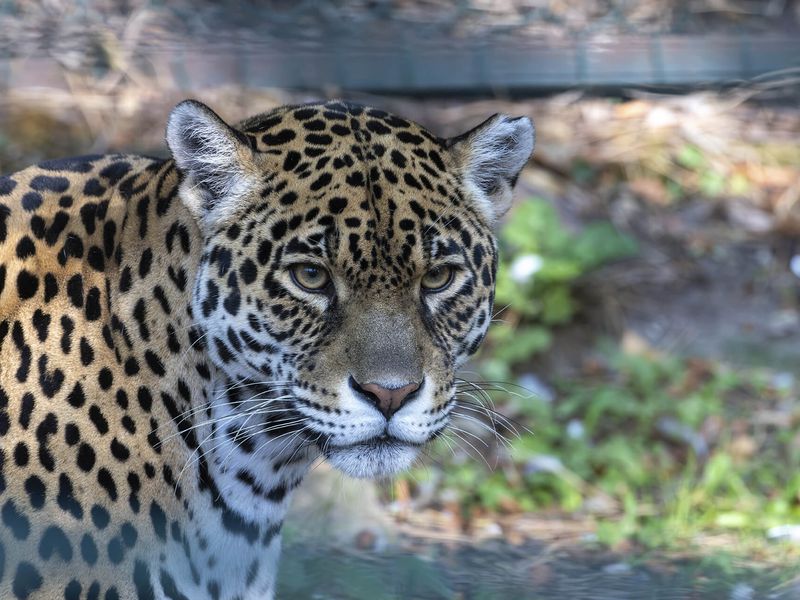
As soon as the door opened, Taïma didn’t hesitate for a second! Our new female jaguar immediately set off to explore her outdoor enclosure in the Bois des Fauves.
Curious and confident, she explored her new surroundings under the watchful eyes of the teams. A very encouraging first outing for Taïma, who continues to settle into her new home at Beauval.
Une espèce menacée par la déforestation
Classé « Quasi menacé » par l’UICN, le jaguar a déjà perdu près de la moitié de son aire de répartition historique. Autrefois présent du sud des États-Unis au nord de l’Argentine, il a disparu de vastes territoires. Les principales menaces sont la déforestation, la fragmentation de son habitat, la raréfaction de ses proies et les conflits avec les activités humaines. À travers l’association Beauval Nature, le ZooParc soutient un programme de conservation dédié au jaguar en Amérique du Sud, aux côtés d’autres actions de préservation des espèces et des milieux.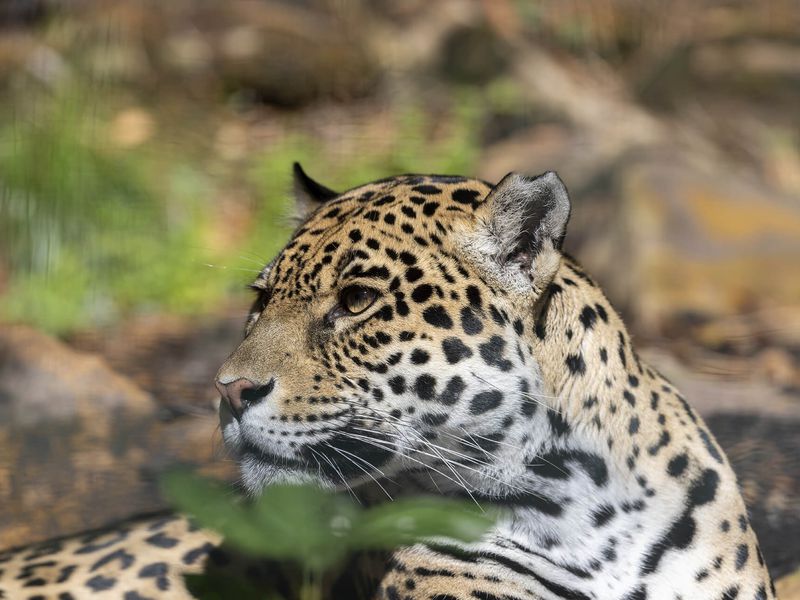
Where can you see the jaguar at ZooParc de Beauval?
At ZooParc de Beauval, the jaguar is one of the big cats you can discover in The Big Cat Woodlands. Find its location on the ZooParc map and take some time to observe this discreet predator during quieter periods of the day, when it may be more active. Nearby, you can also discover other iconic species including Sumatran tigers, white tigers, Persian leopards and cougars.
Sponsor our animals
Establish a strong bond with your favourite animal whilst supporting conservation programmes through the Beauval Nature association!
Near threatened
Learn more about the species
-
CarnivoreDiet
-
3 to 3½ monthsGestation period
-
1 à 4 youngLitter size
-
Wetlands, Tropical forestsHabitat