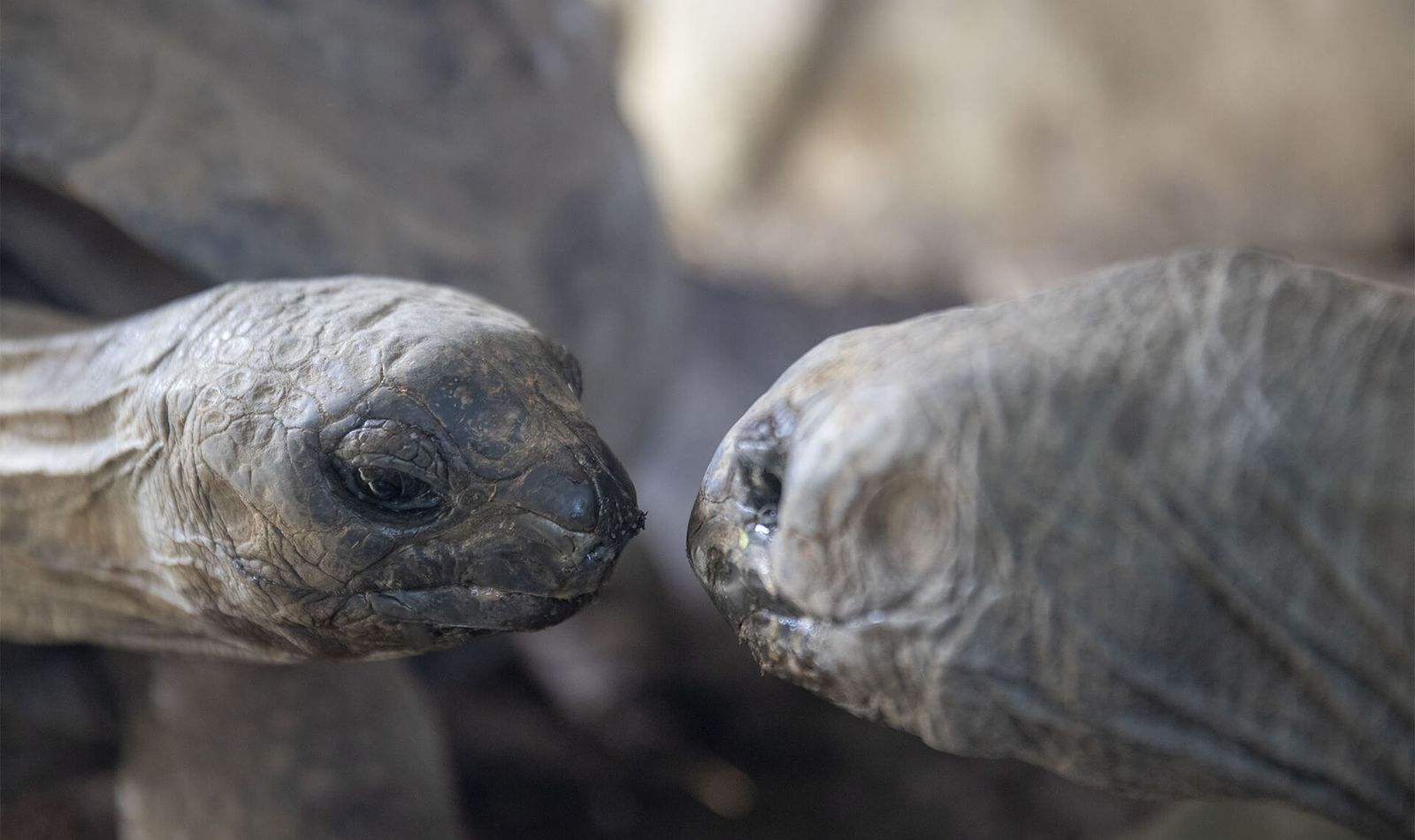
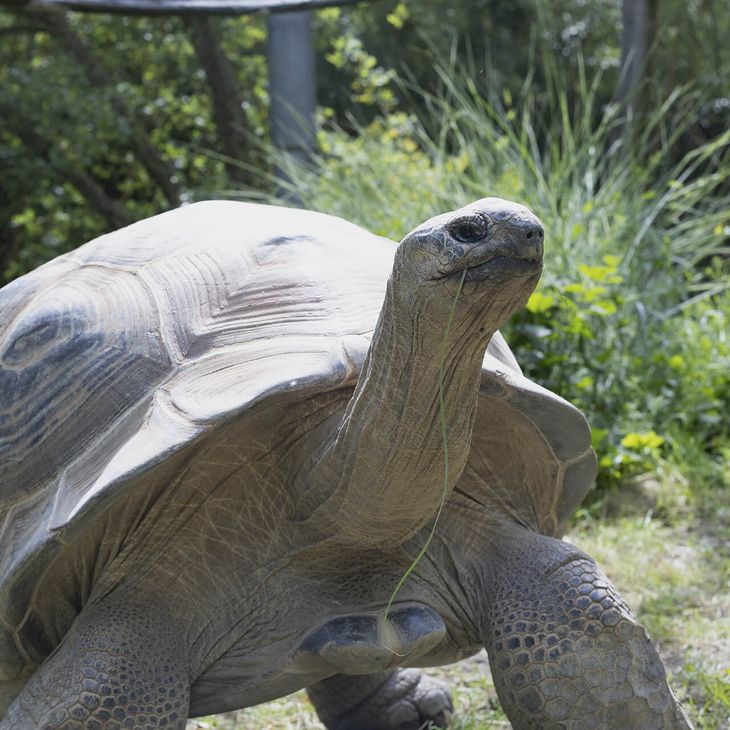
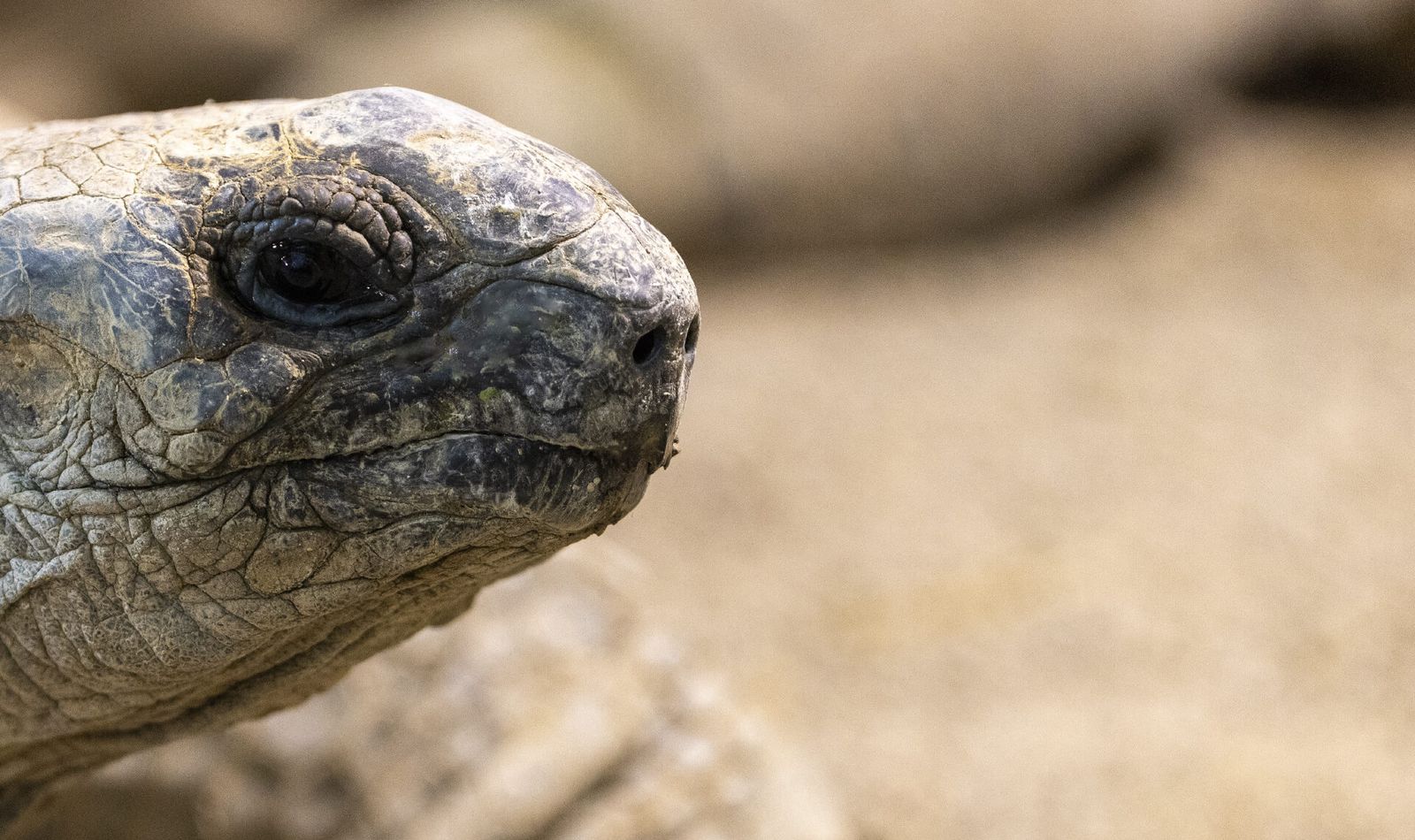
« The Aldabra giant tortoise is the largest land tortoise in the world »
The tortoise of record-breaking achievements
Aldabra giant tortoises are famous for breaking records.
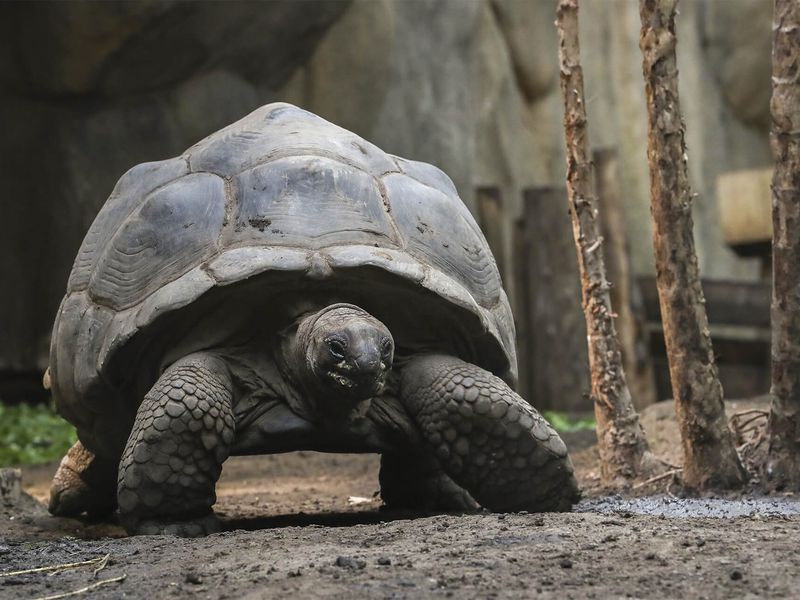
Male Aldabra giant tortoises weigh an average of 250 kg, while females average around 160 kg. Some individuals, however, are even more impressive. The heaviest known Aldabra giant tortoise is Esmeralda, who lives on Bird Island in the Seychelles and is believed to weigh around 310 kg.
Their lifespan is equally extraordinary. The oldest known individual is Jonathan, a male that still lives on the grounds of the Governor’s residence on the island of Saint Helena in the South Atlantic. His estimated birth year is 1832, making him approximately 193 years old.
Did you know?
Baby news!
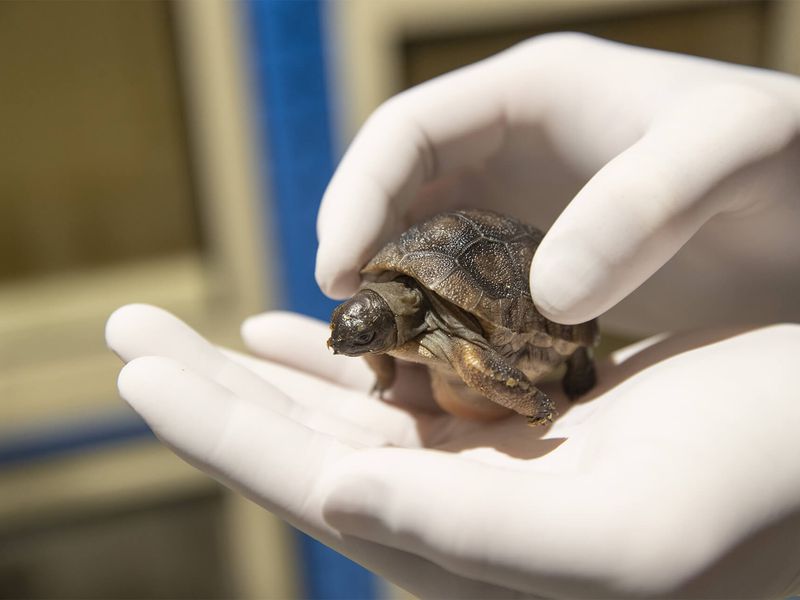
A clutch of 12 hatchlings
In 2022, Beauval proudly celebrated the exceptional birth of 12 Aldabra giant tortoises. Such a breeding success is extremely rare in zoological parks. From mating and egg laying to incubation and hatching, every stage represented a remarkable achievement for the animal care teams.
Today, these young tortoises have grown considerably and can be seen in the Equatorial Dome.
A giant under threat
The Aldabra giant tortoise is classified as Vulnerable by the International Union for Conservation of Nature (IUCN). Since the sixteenth century, sailors and settlers have captured these tortoises for their meat and eggs, a practice that led to the near extinction of giant tortoises throughout the Indian Ocean.
Although protection measures and the ban on collecting tortoises have allowed populations on Aldabra Atoll to recover, the species still faces significant threats. Extreme weather events such as cyclones and storm surges, human-caused pollution including oil spills, and the illegal exotic pet trade continue to endanger its future. Every year, more than 640,000 reptiles are illegally captured worldwide and sold through the exotic pet market.
By presenting the Aldabra giant tortoise in the Equatorial Dome, ZooParc de Beauval is committed to helping conserve this remarkable species while raising public awareness of the challenges involved in protecting it.
Sponsor Lack
Establish a strong bond with your favourite animal whilst supporting conservation programmes through the Beauval Nature association!
Vulnerable
Learn more about the species
-
Mostly herbivorous omnivoreDiet
-
3 to 8 monthsIncubation
-
4 to 25 eggsLitter size
-
Pastures, Sandy shores, Forests, MangrovesHabitat
Courtship beneath the shell
A remarkable traveller
A keystone species

Take full advantage of the experience thanks to our mobile application!
Find out more